Category: Solar Energy

  • Solar Energy as Productive Infrastructure in Africa’s Agri Economy

    Solar Energy as Productive Infrastructure in Africa’s Agri Economy

    Energy cost structures function as a systemic constraint across African small business ecosystems, particularly within agri value chains where production, storage, and processing are energy dependent. Empirical evidence from the World Bank and the African Development Bank indicates that energy instability is not merely an operational challenge but a structural determinant of productivity and market access. Between 2015 and 2024, a marked divergence emerged between declining renewable energy costs and rising grid based electricity tariffs. This divergence has repositioned solar photovoltaic systems from optional substitutes to core infrastructure assets.

    Structural Cost Dynamics: A Decade of Divergence

    Solar photovoltaic system costs declined by over 70 percent between 2015 and 2024. Battery storage systems declined by approximately 50 to 60 percent over the same period. In contrast, electricity tariffs across Sub Saharan Africa increased by 30 to 80 percent due to fuel import dependency and foreign exchange volatility. This structural gap defines the current investment logic for distributed energy systems.

    Capital Costs and Payback Structures in Small Enterprise Systems

    Small scale solar systems for productive use range between 800 and 3,000 USD depending on load requirements. In agricultural and retail contexts, these systems reduce electricity expenditure by 40 to 70 percent. Diesel dependent operations demonstrate even higher efficiency gains, with cost reductions reaching up to 60 percent and payback periods between 18 and 36 months.

    Adoption Dynamics and Market Penetration

    Off grid solar access in Sub Saharan Africa increased from below 5 percent in 2014 to over 20 percent in 2024. In select markets such as Kenya, rural penetration exceeds 30 percent in specific counties. Pay as you go financing systems have altered capital accessibility thresholds. Initial down payments typically range from 10 to 20 percent of system value, with daily repayment structures between 0.50 and 2 USD.

    Productive Use of Energy in Agricultural Systems

    Energy transitions in agri value chains are increasingly defined by productive use applications rather than household lighting systems. Solar irrigation systems, costing between 1,500 and 3,500 USD, replace diesel pumps with annual fuel expenditures between 500 and 1,200 USD. Yield increases range between 2x and 3x due to year round production capacity. Cold storage systems priced between 5,000 and 15,000 USD reduce post harvest losses by over 50 percent. Regional estimates place baseline losses between 20 and 30 percent for perishable commodities.

    System Reliability and Operational Continuity

    Grid instability across multiple Sub Saharan African economies results in 5 to 15 hours of weekly outages in industrial and semi industrial zones. Solar hybrid systems reduce downtime by 20 to 40 percent, stabilizing production cycles in milling, drying, and packaging operations. This stability produces a measurable increase in revenue consistency and reduces inventory loss risk. Recent development finance strategies have shifted toward productive use energy systems integrated with agriculture and enterprise financing. Repayment performance in bundled systems exceeds 90 percent in multiple East African pilot programs, primarily due to direct linkage between energy access and income generation.

    Blended finance structures combining concessional capital, grants, and private investment are reducing entry barriers while maintaining lender risk thresholds. Solar energy is transitioning from infrastructure adjunct to core productive asset within African agri economies. The implication is structural rather than incremental. Cost reduction improves margins. Energy stability improves output consistency. Financing innovation improves accessibility. Together, these dynamics reposition energy as a determinant of enterprise scalability. The competitive divide in the next decade will not be defined by land access or labor availability. It will be defined by energy reliability and the speed of productive energy adoption across value chains.
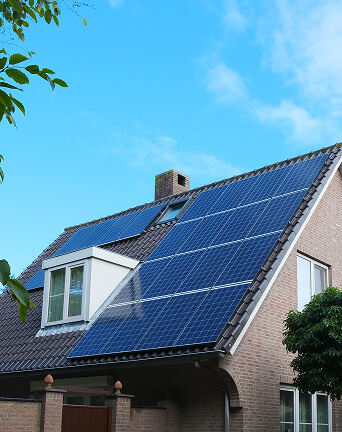
  • How Solar Energy Improves The Property Value of Homesteads

    How Solar Energy Improves The Property Value of Homesteads

    A decisive shift is redefining how energy is perceived across African real estate and productive assets. What was once treated as a recurring utility expense now sits at the center of asset performance, resilience, and long term valuation.

    Energy as a Strategic Asset in Property Economics

    Energy now functions as a core determinant of property competitiveness. Across East Africa and the broader Sub Saharan region, solar energy is moving into the foundation layer of infrastructure planning. Grid instability affects an estimated 30 to 50 percent of businesses in countries such as Kenya, Nigeria, and Tanzania, based on World Bank energy assessments between 2022 and 2024. This has elevated the importance of self generated power systems within both residential and commercial property strategies. Solar technology operates through photovoltaic systems that convert sunlight into electricity. Energy is stored in battery systems or distributed through localized networks. This enables property owners to maintain consistent operations while stabilizing long term energy costs. To visualize regional energy cost trends, the table below captures tariff increases across key markets.

    Energy Cost Increase (2021–2024)

    CountryTariff Increase (%)
    Kenya40%
    Nigeria35%
    Tanzania30%

    Financial Performance and Cost Efficiency

    The economic case for solar adoption is grounded in measurable outcomes. In Kenya, electricity tariffs increased by more than 40 percent between 2021 and 2024 due to fuel cost adjustments and currency pressures. Solar installations provide a pathway to cost stability. Residential systems typically reduce electricity expenses by 50 to 80 percent depending on consumption patterns. Commercial properties, especially within agriculture and light industry, achieve operating cost reductions exceeding 30 percent annually. These savings directly influence net operating income, which forms the basis of property valuation models. Energy cost predictability also improves financial planning. Property owners gain visibility on long term expenses, which strengthens investment decision making and enhances asset attractiveness for institutional investors. The chart below illustrates the comparative savings impact across property types.

    Property Value and Market Differentiation

    Solar integration contributes to property value through three primary mechanisms. Cost efficiency improves operating margins. Energy reliability enhances tenant satisfaction. Regulatory alignment supports long term compliance. In markets where power outages average between 5 and 10 hours per week, properties equipped with solar and storage systems demonstrate higher occupancy rates and improved tenant retention. Reliable energy supply supports business continuity, which is a critical factor for commercial tenants. Government policies across Sub Saharan Africa reinforce this trend. Incentives such as VAT exemptions on solar equipment in Kenya and import duty reductions in multiple regional markets reduce capital costs. These policy frameworks accelerate return on investment and increase adoption rates.

    Environmental Performance and Compliance Readiness

    Energy transition strategies are closely linked to environmental performance. Buildings contribute approximately 30 percent of global energy related emissions. This pattern is reflected in rapidly urbanizing African cities. Solar installations reduce carbon emissions by an estimated 1 to 3 tonnes annually for residential properties. Commercial scale systems achieve significantly higher reductions. This positions properties to align with emerging environmental standards and green financing frameworks supported by institutions such as the World Bank, African Development Bank, and International Monetary Fund. Environmental compliance is increasingly linked to access to capital. Assets that demonstrate measurable sustainability performance attract concessional financing and impact investment flows.

    Solar in Agri Food Systems and Peri Urban Development

    The integration of solar energy within agri food systems presents a high impact opportunity. Solar powered irrigation, cold storage, and processing units enhance productivity and reduce losses across the value chain. Post harvest losses across Sub Saharan Africa range between 20 and 30 percent. Solar powered cold storage significantly reduces these losses while improving product quality and market access. This leads to higher revenues and stronger enterprise valuation.

    Peri urban developments also benefit from decentralized energy systems. Solar enables the expansion of productive activities in areas with limited grid infrastructure. This supports local economic growth while increasing the value of land and associated assets. The graph below illustrates the reduction in post harvest losses through solar integration.

    Strategic Deployment and Value Creation

    The effectiveness of solar investments depends on alignment with revenue generating activities. Installation alone does not guarantee value creation. Systems must be designed to support specific economic outcomes such as cost reduction, productivity improvement, or market expansion. At Kilimora, the approach focuses on integrating energy systems within broader economic models. Solar becomes a driver of measurable performance rather than a standalone intervention. This ensures that energy investments contribute directly to income generation and asset appreciation.

    Long Term Outlook for Energy Integrated Assets

    The trajectory across African markets indicates a structural transition. Properties that integrate energy independence are positioned for stronger financial performance, improved resilience, and enhanced investment appeal. Energy is no longer peripheral. It is embedded within the core logic of asset valuation. Solar energy represents a critical lever in this transition, shaping how properties perform within an evolving economic landscape.