Top down policy and externally driven models are hitting diminishing returns, while community co creation is emerging as the highest leverage intervention across the agri value chain. Start with the disruption trigger. The expiration of African Growth and Opportunity Act has placed up to 1.3 million jobs at risk across export dependent sectors. At the same time, Africa’s food import bill has reached about 70 billion dollars annually as reported by regional agricultural forums in 2025. These are not isolated data points. They expose a systemic weakness. Value chains are externally oriented, fragmented, and weakly integrated at the local level.
Your real problem is not production. It is coordination failure across the value chain. Action is to redesign the system with communities as co architects rather than passive beneficiaries. Co creation in this context means shifting from linear supply chains to adaptive, feedback driven ecosystems where farmers, local enterprises, financiers, and end markets co design interventions. This changes incentives, reduces inefficiencies, and increases resilience.
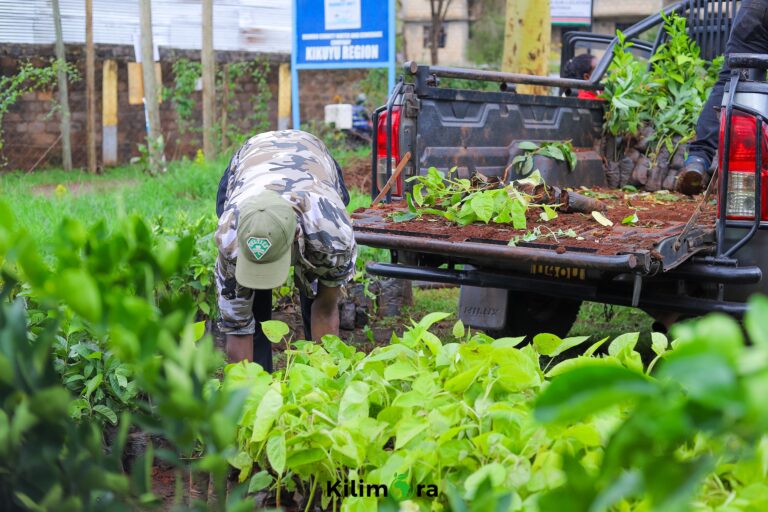
At the production layer, co creation improves input alignment. For example, Namibia’s potato scheme subsidizes 50 percent of seed and 25 percent of fertilizers. That is a supply side push. However, without farmer level participation in crop selection, soil mapping, and market linkage, output risks mismatch with demand. When farmers co design cropping decisions using local climate data and buyer signals, yield utilization rates increase. Studies from IFAD programs in East Africa show that participatory planning can increase smallholder productivity by 20 to 30 percent within two seasons.
Move to post harvest. Africa loses roughly 30 to 40 percent of food post harvest according to FAO estimates updated in 2023. The Solar Sister and Koolboks partnership targeting 1000 women entrepreneurs is a step forward. The real leverage comes when communities define storage needs, distribution nodes, and pricing strategies. Locally managed cold chain systems have demonstrated up to 50 percent reduction in spoilage in pilot regions in Nigeria and Kenya. That is direct value recovery, not theoretical gain.
On financing, the newsletter highlights interest rates above 24 percent for agricultural loans. That is prohibitive. Co creation introduces alternative financing structures such as cooperative based credit pools, blended finance, and community indexed insurance. When farmers participate in designing financial products, default rates drop. Evidence from Kenya cooperative models shows repayment rates above 90 percent when lending is tied to group accountability and shared value chain outputs.
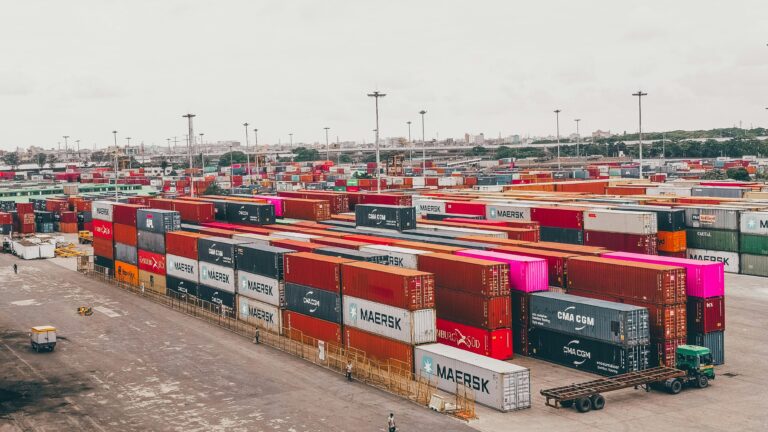
Market access is where co creation compounds impact. The collapse of preferential trade under AGOA forces a pivot to intra African markets and localized processing. Côte d’Ivoire’s 156.8 million dollar partnership to develop 10000 hectares is significant. However, scaling impact depends on integrating smallholders into that ecosystem through contract farming, shared infrastructure, and local aggregation systems. Community driven aggregation models can reduce transaction costs by up to 25 percent and increase farmer margins by 15 to 20 percent based on recent AfDB analyses.
Technology adoption becomes more effective under co creation. Precision agriculture in South Africa is adapting to energy constraints through solar irrigation. Adoption rates improve when farmers are involved in system design. Top down tech deployment often fails due to mismatch with on ground realities. Participatory tech design has shown adoption increases of over 40 percent in multiple CGIAR backed pilots.
Weak point in most current strategies is fragmentation. Governments launch programs. NGOs run pilots. Private sector invests in isolated pockets. There is no unified feedback loop. Fix is to institutionalize co creation platforms at county or district level where stakeholders continuously iterate on value chain performance using shared metrics. Specify exactly what success looks like. Increase smallholder income by at least 30 percent within three years. Reduce post harvest losses below 20 percent. Improve access to affordable finance with interest rates below 12 percent for at least 50 percent of participating farmers. Shift at least 25 percent of production into local processing to capture value domestically.
Immediate actions are straightforward. Map one value chain in a defined geography. Identify all actors. Establish a co creation forum with monthly iteration cycles. Pilot two interventions across production and post harvest. Track yield, loss rates, income changes. Scale only what demonstrates measurable impact within two cycles. The direction is not ambiguous. External shocks are forcing a reset. Communities are no longer optional stakeholders. They are the operating system of a resilient agri value chain.
Discover more from Kilimora
Subscribe to get the latest posts sent to your email.