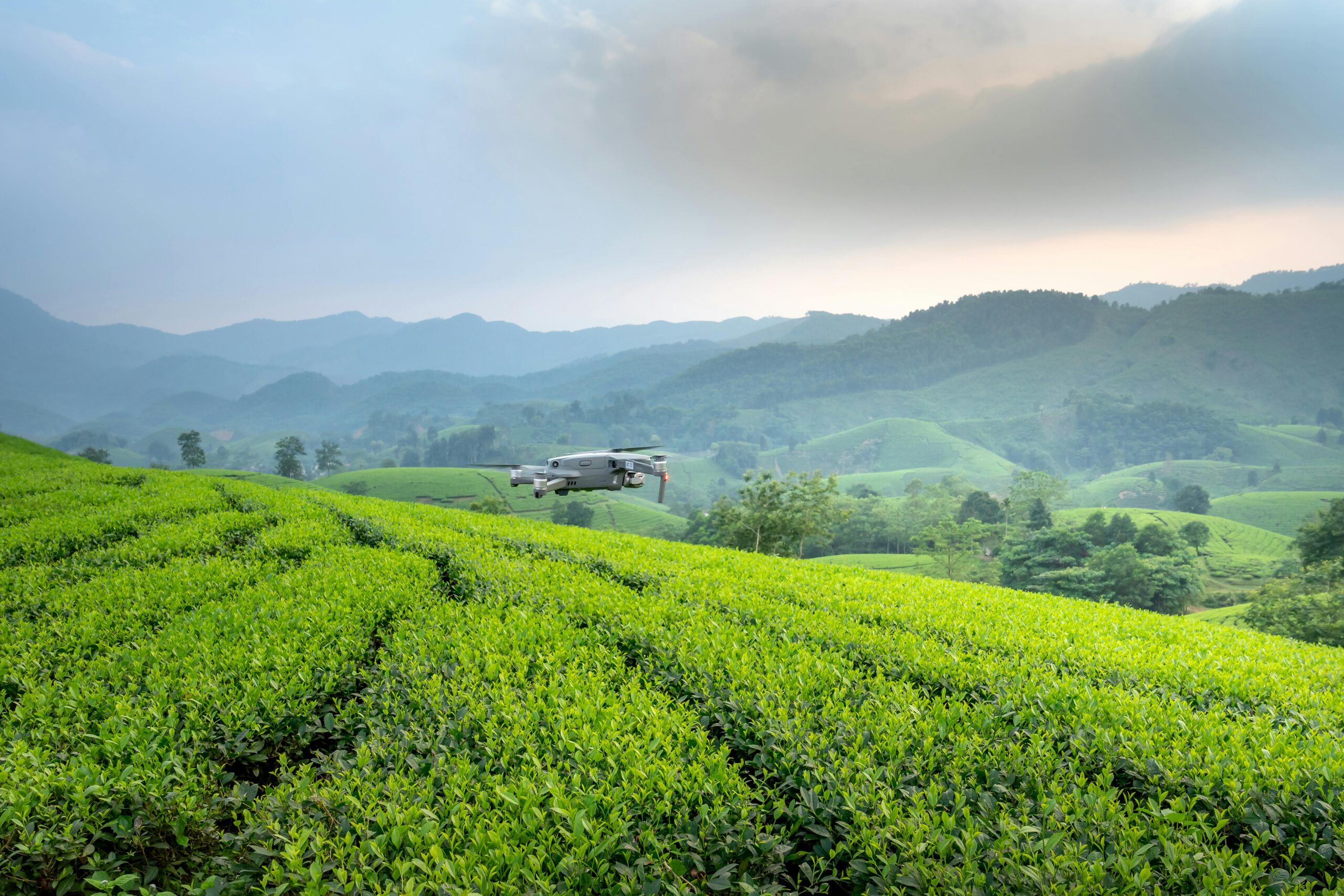
A deeper transformation is underway across Africa’s food systems, one that extends far beyond poultry and into the structural redesign of how food is produced, financed, processed, and delivered. While poultry remains a visible entry point, the more significant story lies in how multiple agricultural value chains are being rebuilt simultaneously through technology, capital deployment, and decentralized infrastructure.
Consider the rapid emergence of solar powered irrigation across East Africa. Over the past five years, installations have grown by more than 40 percent annually, according to regional development finance estimates. Smallholder farmers who previously relied on unpredictable rainfall are now achieving yield increases of 2 to 3 times per season. In Kenya alone, solar irrigation systems have reduced water access costs by up to 60 percent, while enabling year round production for high value crops such as tomatoes, onions, and leafy vegetables. This is not just productivity improvement. It is a shift from subsistence to market oriented agriculture.
Parallel to this, decentralized storage is solving one of Africa’s most expensive inefficiencies. Post harvest losses still account for 30 to 50 percent of total production across Sub Saharan Africa. Cold storage startups are addressing this through modular, pay as you store systems placed directly within farming communities. Farmers using these systems report income increases of 20 to 35 percent due to reduced spoilage and the ability to time market entry. The implication is straightforward. Storage is no longer a passive function. It is an active pricing strategy.
Financial innovation is also moving beyond traditional credit models. Warehouse receipt systems and embedded finance platforms are unlocking liquidity at scale. Farmers deposit produce in certified storage facilities and receive digital receipts that can be used as collateral. This model has expanded by over 25 percent across East and West Africa since 2020, unlocking millions in working capital without requiring land titles or fixed assets. For agribusinesses, this reduces supply volatility. For farmers, it eliminates distress sales.
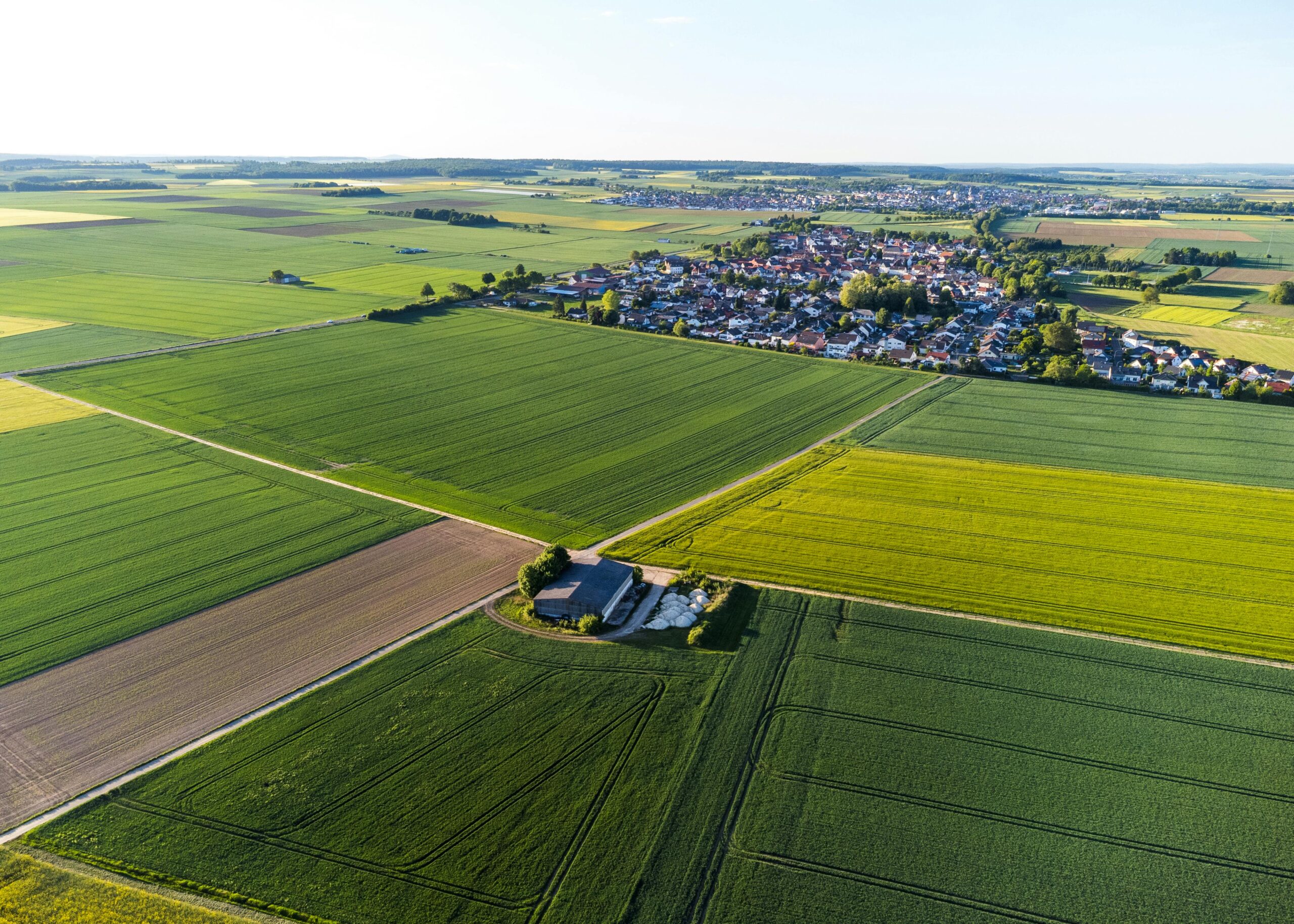
Mechanization is following a similar trajectory. Asset sharing platforms for tractors and harvesters are reducing access costs by up to 70 percent compared to ownership. In countries like Nigeria and Tanzania, smallholders can now book machinery via mobile platforms, paying per acre rather than upfront capital expenditure. This has increased land utilization rates and reduced planting delays, which are often responsible for yield losses of 10 to 20 percent.
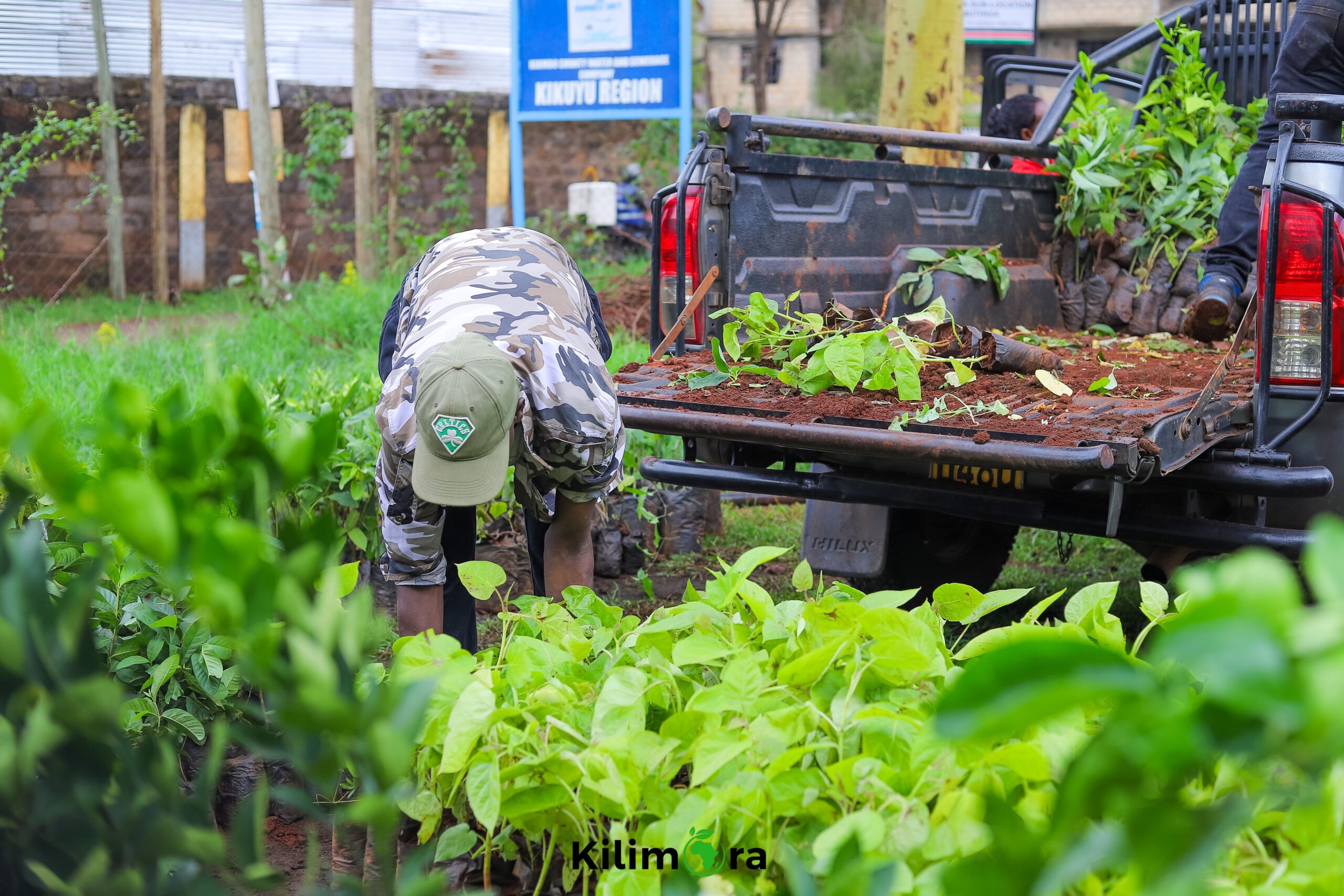
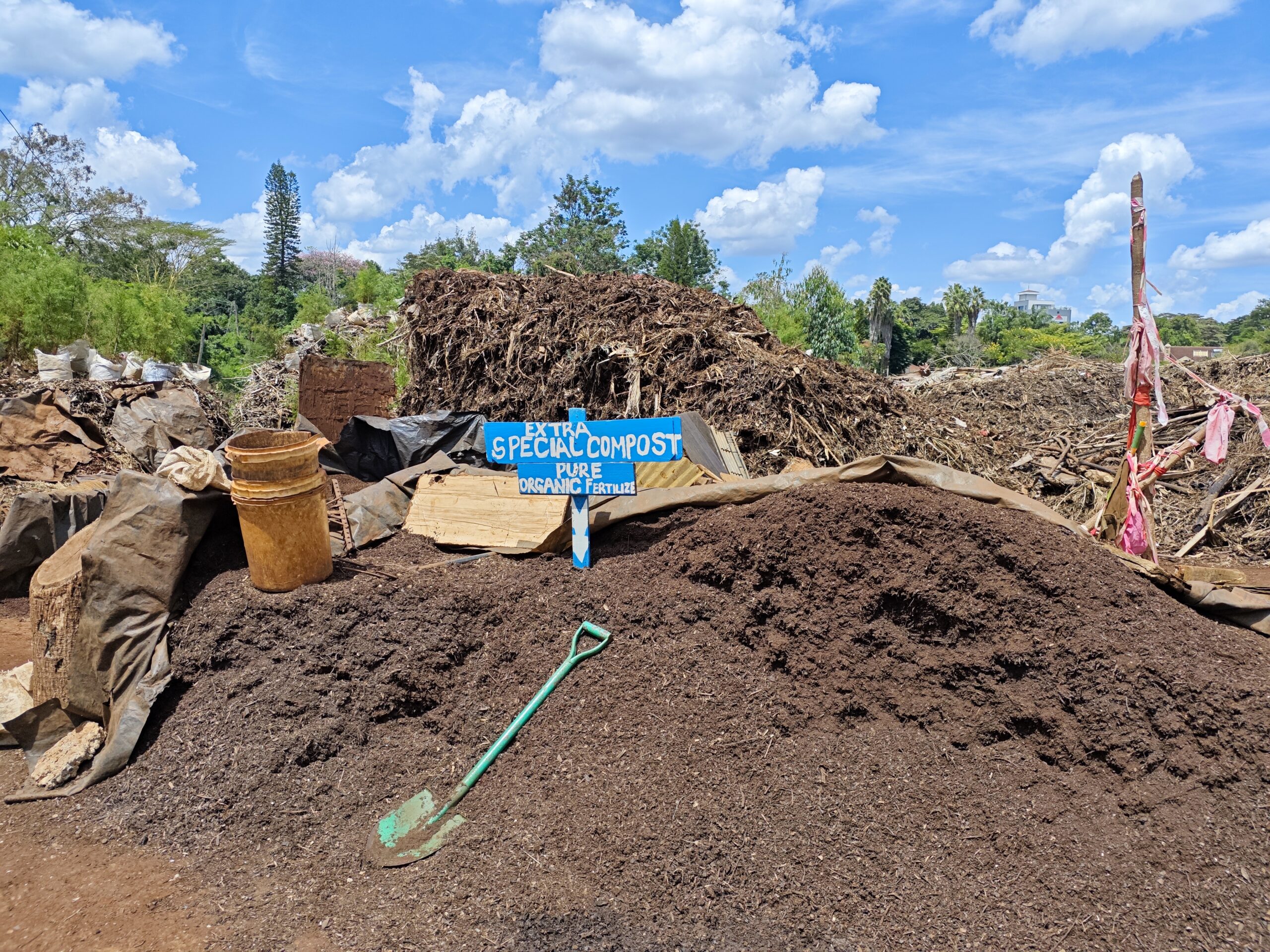
Even input systems are being restructured. Biofertilizer adoption is increasing at an annual rate exceeding 15 percent across parts of West and East Africa. These inputs improve soil health while reducing dependence on imported synthetic fertilizers, whose prices surged by more than 60 percent between 2021 and 2023. Early adopters report yield stability improvements and input cost reductions of up to 30 percent over multiple planting cycles.
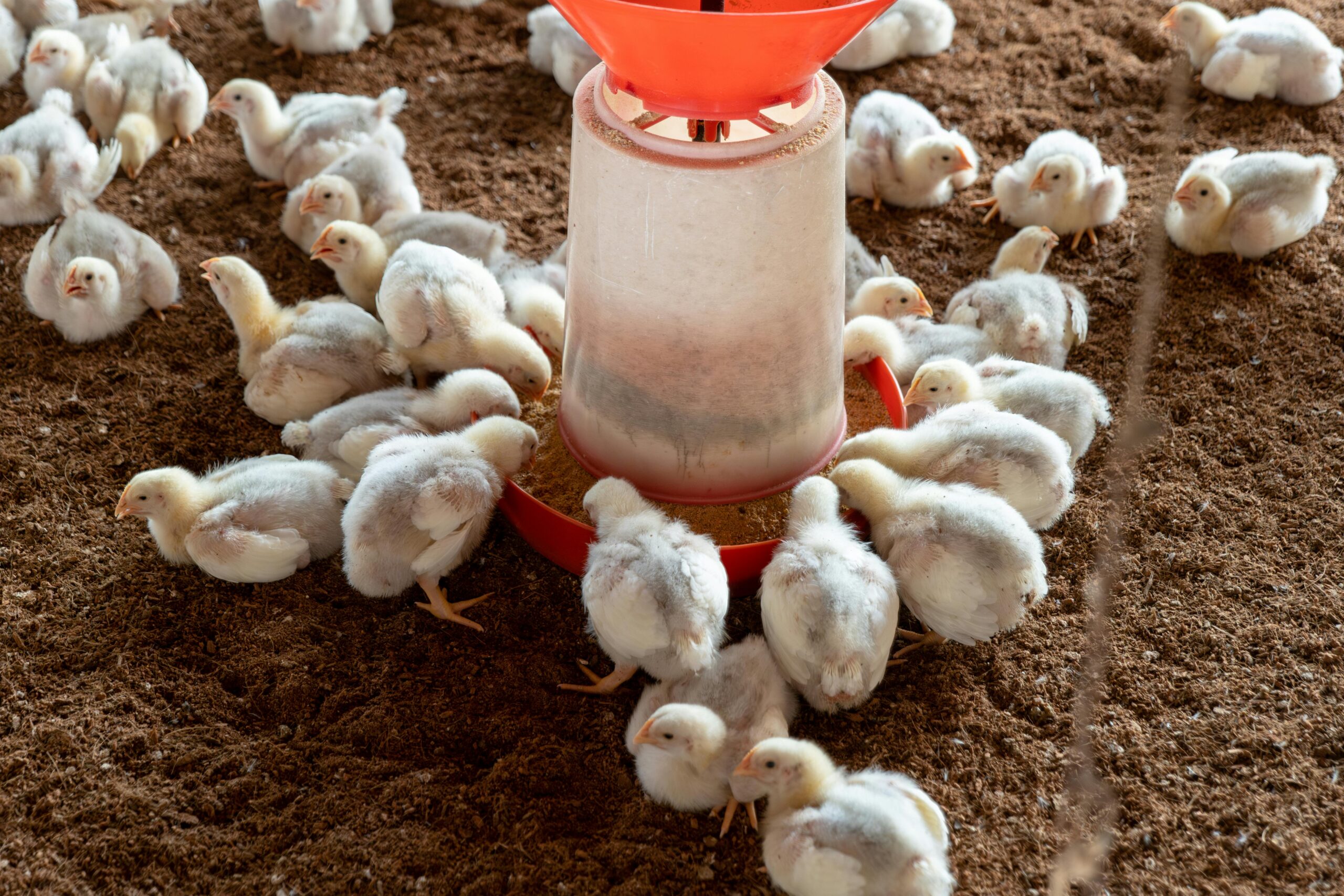
Against this broader backdrop, poultry remains a high demand sector with structural inefficiencies. Africa hosts approximately 2.4 billion chickens, yet only about 30 percent of consumption is supplied locally. Feed costs still account for 60 to 70 percent of production expenses, and disease outbreaks such as Newcastle disease can wipe out up to 90 percent of unvaccinated flocks. These constraints explain why imports continue to dominate urban markets despite strong local demand.
What is changing is the system around the farmer. Platforms that integrate financing, input access, and market linkages are converting fragmented operations into coordinated enterprises. In result, mortality rates decline, cost structures stabilize, and revenue predictability improves. The critical insight is this. Africa’s agricultural future will not be defined by a single breakthrough in one value chain. It will be determined by how effectively multiple innovations are layered together to remove friction across the entire system. Poultry illustrates the challenge. The broader ecosystem reveals the solution.