Category: Agricultural Finance

  • Intra African Trade, Agricultural Financing and Capital Gaps
    Intra African Trade, Agricultural Financing and Capital Gaps

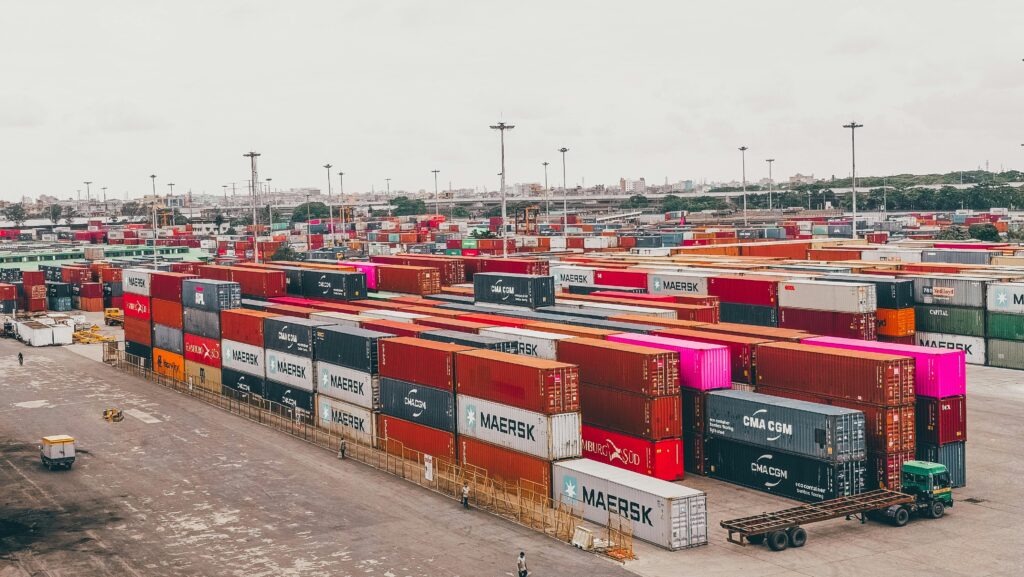
    Agricultural finance remains the central constraint in system scaling. Despite increasing inflows, structural deficits persist across production and post harvest systems. The World Bank estimates an annual agricultural financing gap exceeding 180 billion USD in Sub Saharan Africa. Current capital inflows address only a fraction of system level demand. Nigeria’s adoption of structured financing mechanisms such as NIRSAL has enabled over 47 million USD in agribusiness lending, indicating early stage de risking of agricultural credit markets.

    Intra African agricultural trade remains structurally underdeveloped. Only approximately 15 percent of agricultural trade occurs within the continent according to the International Monetary Fund. Disruptions such as import restrictions between South Africa and Namibia demonstrate the fragility of regional supply chains. Losses exceeding 1000 tonnes of produce highlight inefficiencies in phytosanitary alignment and cross border logistics.

    Productivity Gains Through Supply Chain Integration

    Productivity improvements are increasingly driven by integrated infrastructure rather than isolated interventions. Kenya, Tanzania, and Nigeria are demonstrating early stage convergence of production, processing, and distribution systems.

    Export oriented agriculture is becoming a structural growth lever. Tanzania’s target of £1 billion in exports to the United Kingdom reflects a shift toward compliance driven trade expansion.

    Agriculture across Africa is transitioning into a capital integrated system where productivity is increasingly determined by coordination efficiency rather than isolated interventions. The convergence of industrial input production, financing expansion, and trade alignment is producing measurable system level gains. The constraint is no longer conceptual design. It is execution coherence across institutions, markets, and infrastructure layers. Systems that achieve integration across these domains will determine regional competitiveness over the next decade.

  • Agri Food Capital Convergence and Reconfiguration in Africa
    Agri Food Capital Convergence and Reconfiguration in Africa

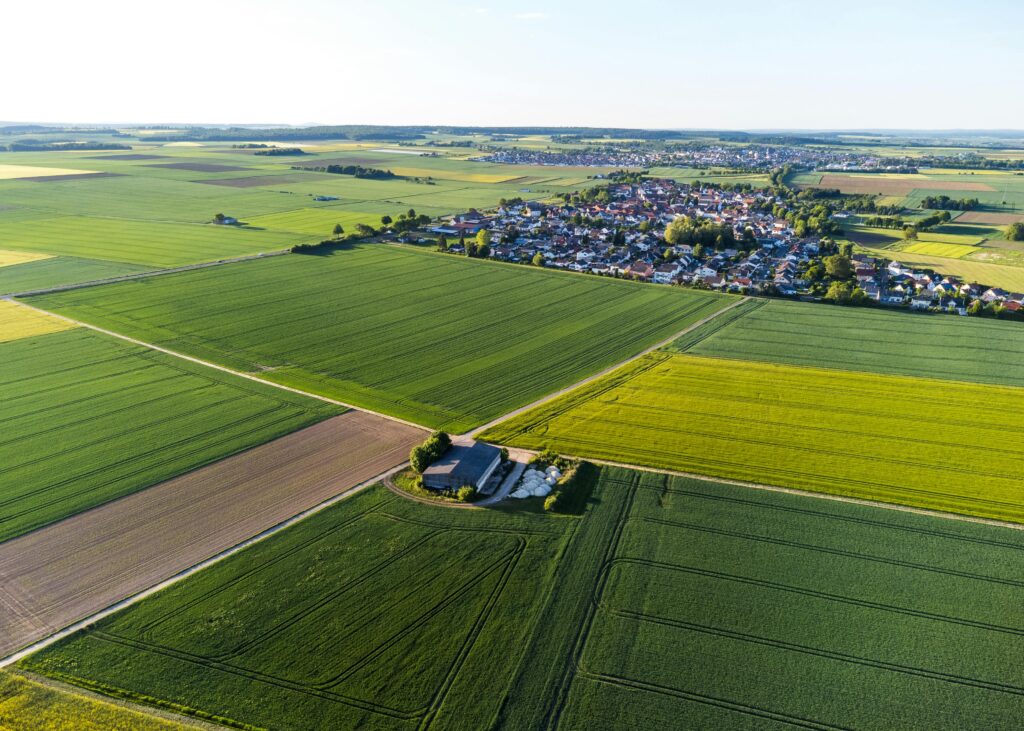
    A structural reordering is underway across African agriculture where capital, infrastructure, and policy are increasingly converging into one coordinated system. What previously operated as fragmented investments is now forming a coherent financing and production architecture with measurable implications for productivity, trade, and food security outcomes.

    Capital Formation and Industrial Scale Agricultural Inputs

    Large scale industrial investments are redefining input dependency across the continent. Fertilizer production is emerging as a strategic anchor for agricultural productivity due to its direct correlation with yield performance. The development of industrial fertilizer capacity led by Aliko Dangote in Ethiopia represents one of the largest agro input investments in the region. The planned output of approximately 3 million metric tonnes of urea annually aligns with regional demand deficits where import dependency exceeds 60 percent according to the African Development Bank.

    Agricultural Financing Expansion and Capital Gaps

    Agricultural finance remains the central constraint in system scaling. Despite increasing inflows, structural deficits persist across production and post harvest systems. The World Bank estimates an annual agricultural financing gap exceeding 180 billion USD in Sub Saharan Africa. Current capital inflows address only a fraction of system level demand. Nigeria’s adoption of structured financing mechanisms such as NIRSAL has enabled over 47 million USD in agribusiness lending, indicating early stage de risking of agricultural credit markets.

    Trade Frictions and Regional Market Fragmentation

    Intra African agricultural trade remains structurally underdeveloped. Only approximately 15 percent of agricultural trade occurs within the continent according to the International Monetary Fund. Disruptions such as import restrictions between South Africa and Namibia demonstrate the fragility of regional supply chains. Losses exceeding 1000 tonnes of produce highlight inefficiencies in phytosanitary alignment and cross border logistics.

    Productivity Gains Through Supply Chain Integration

    Productivity improvements are increasingly driven by integrated infrastructure rather than isolated interventions. Kenya, Tanzania, and Nigeria are demonstrating early stage convergence of production, processing, and distribution systems.

    Agricultural Trade and Export Expansion Pathways

    Export oriented agriculture is becoming a structural growth lever. Tanzania’s target of £1 billion in exports to the United Kingdom reflects a shift toward compliance driven trade expansion.

    Agriculture across Africa is transitioning into a capital integrated system where productivity is increasingly determined by coordination efficiency rather than isolated interventions. The convergence of industrial input production, financing expansion, and trade alignment is producing measurable system level gains. The constraint is no longer conceptual design. It is execution coherence across institutions, markets, and infrastructure layers. Systems that achieve integration across these domains will determine regional competitiveness over the next decade.

  • Africa Agriculture Innovation Accelerates Through FinTech Adoption

    Africa Agriculture Innovation Accelerates Through FinTech Adoption

    A structural inflection point is unfolding across Africa’s agricultural systems, yet it is often misread as fragmented progress. What appears as isolated interventions is in fact a synchronized reconfiguration of production, genetics, information systems, and capital flows. The measurable outcome is a compounding shift in productivity, resilience, and market integration, with early signals already quantifiable across multiple value chains.

    Structural Realignment of Domestic Production

    At the production layer, import substitution is transitioning from policy rhetoric into executable strategy. Ghana’s poultry sector provides a precise case. With import dependency historically exceeding 95 percent, the national objective to reverse this within a three year window represents a full stack supply chain reconstruction rather than marginal capacity expansion. Hatchery systems, feed inputs, cold chain logistics, and distribution networks are being aligned toward domestic throughput.

    From a macroeconomic perspective, this shift has direct fiscal implications. Poultry imports in West Africa account for hundreds of millions of dollars annually. Even a 50 percent substitution effect within Ghana alone would redirect tens of millions into domestic agricultural GDP while stabilizing price volatility driven by foreign exchange exposure. The constraint is no longer technical feasibility. It is execution coherence across the supply chain.

    Ghana Poultry Import Dependency Transition

    Genetic Optimization as a Productivity Multiplier

    Parallel to supply chain localization, genetic systems are emerging as a high leverage intervention. Uganda’s Kasolwe Brown Goat is not an isolated breeding experiment. It represents a controlled, locally adapted genetic pipeline with a base herd exceeding 500 animals and demonstrable trait stability.

    Livestock mortality rates across parts of sub Saharan Africa still range between 20 percent and 30 percent. Yield per animal remains significantly below global benchmarks. Locally optimized breeds alter both variables simultaneously. A conservative 15 percent reduction in mortality combined with a 20 percent improvement in yield per animal produces nonlinear gains in total output without proportional increases in input costs.

    Impact of Genetic Optimization on Livestock Systems

    Digital Systems and Informal Infrastructure

    The most underrecognized transformation is occurring in information flows. Formal agricultural extension systems remain structurally under scaled. In Benin, only 23 percent of farmers receive structured advisory support. This gap is being filled by decentralized digital networks. Platforms such as WhatsApp and Facebook have evolved into functional market infrastructure. Farmers use them for price discovery, coordination of logistics, and peer to peer knowledge transfer.

    The scale is nontrivial. Across sub Saharan Africa, mobile internet penetration exceeded 50 percent by 2023, according to GSMA. This creates a distributed advisory system that operates with near zero marginal cost. Women led collectives are disproportionately benefiting from this shift. By pooling resources, they access smartphones, share market intelligence, and coordinate bulk transactions. This reduces information asymmetry, which has historically suppressed farm gate pricing.

    Farmer Access to Advisory Systems

    Capital Flows and Infrastructure Scaling

    Capital allocation is increasingly aligned with these structural shifts. Ghana’s €47 million irrigation investment and Cameroon’s $70 million input procurement programs indicate a transition toward infrastructure led productivity growth. At the same time, private capital is entering the sector with greater conviction. Nigeria’s $23 million agribusiness financing round reflects a shift toward vertically integrated models that connect production to processing and export markets. The combined effect is a reduction in systemic bottlenecks. Irrigation mitigates climate variability. Input financing stabilizes yields. Processing capacity captures value that would otherwise be lost through raw commodity exports.

    Systems Convergence and Execution Risk

    At the systems level, these dynamics are converging. Production, genetics, digital infrastructure, and capital are no longer evolving independently. They are interacting within increasingly coherent national strategies. This convergence is the defining feature of the current phase of transformation. The constraint has shifted. It is no longer access to innovation. It is the discipline of integration. Countries that fail to synchronize these components will experience fragmented gains. Those that align them will achieve multiplicative outcomes.

    A conservative synthesis illustrates the opportunity. A 20 percent improvement in yield, a 15 percent reduction in post harvest losses, and a 10 percent increase in price realization can collectively increase farmer income by over 50 percent within a single production cycle. These are not theoretical gains. They are already observable in localized pilots across the continent. The trajectory is unambiguous. Africa’s agricultural transformation will not be defined by isolated technological breakthroughs. It will be determined by the capacity to integrate multiple innovations into scalable, resilient systems that deliver consistent, measurable output across entire value chains.

  • Agroforestry as a System of Production, Carbon, and Income Architecture
    Agroforestry as a System of Production, Carbon, and Income Architecture

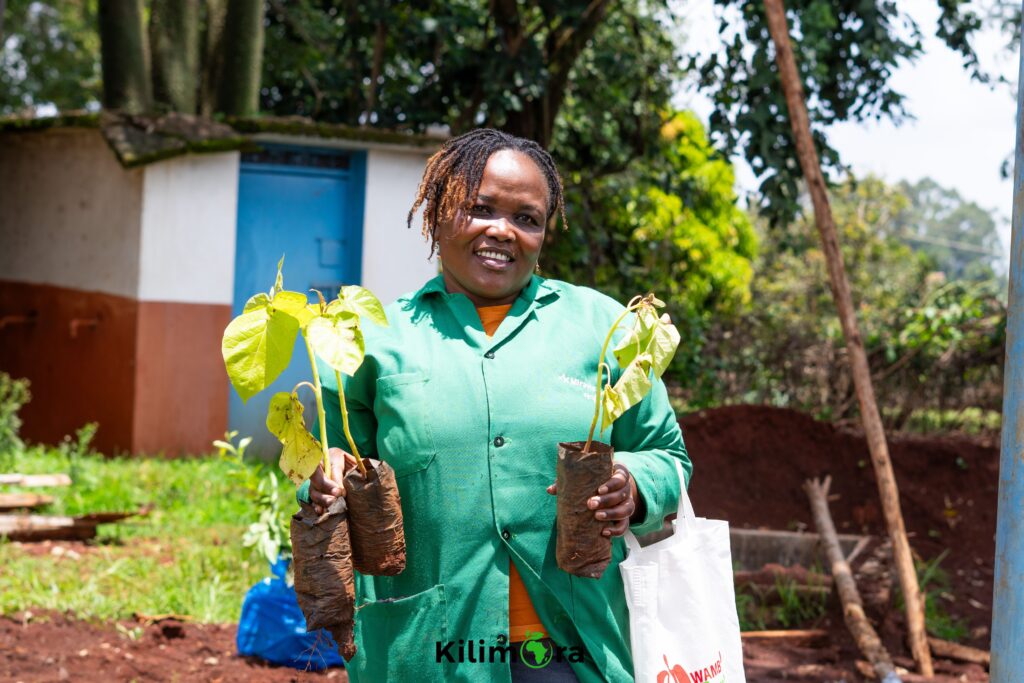
    Agriculture in Sub Saharan Africa operates under a dual constraint system defined by productivity pressure and climate instability. Agroforestry emerges as a systems level intervention that integrates perennial woody biomass into annual cropping systems, thereby modifying biophysical, economic, and climatic performance variables simultaneously. This is not a diversification strategy in the conventional sense. It is a redesign of land use function.

    Empirical synthesis from the World Bank, Food and Agriculture Organization, and African Development Bank between 2022 and 2024 indicates that well managed agroforestry systems can increase long term yield stability and productivity by approximately 20 percent to 50 percent depending on crop type, tree density, and agro ecological zone. These gains are primarily driven by nitrogen fixation, organic matter accumulation, and microclimate stabilization effects.

    Biophysical Mechanisms and Soil System Reconstitution

    The productivity differential is structurally linked to soil system restoration processes. Tree based systems increase soil organic carbon, improve cation exchange capacity, and enhance microbial activity. Peer reviewed agronomic studies across East and West Africa indicate soil moisture retention improvements ranging between 15 percent and 35 percent in agroforestry systems compared to conventional monocropping. Fertilizer substitution effects are also measurable. Synthetic fertilizer dependency declines in systems incorporating nitrogen fixing species, with observed reductions in input costs reaching 20 percent to 40 percent in mature systems. This is particularly significant given that fertilizer price volatility in African markets increased by more than 60 percent between 2021 and 2023 according to regional commodity tracking reports.

    Carbon Sequestration as a Measurable Economic Variable

    Agroforestry functions as both a production system and a carbon sink architecture. Carbon sequestration rates vary by species composition and management intensity, but commonly fall within a range of 2 to 10 tonnes of COâ‚‚ equivalent per hectare per year. This positions agroforestry as a quantifiable climate asset class rather than a qualitative sustainability practice. At scale, aggregated sequestration potential contributes meaningfully to national land use, land use change, and forestry targets under climate reporting frameworks. However, monetization remains constrained by measurement infrastructure, land tenure clarity, and carbon rights definition.

    Deforestation Pressure and Substitution Effects

    Deforestation accounts for approximately 10 percent to 15 percent of total greenhouse gas emissions in multiple Sub Saharan African countries according to FAO land use assessments between 2022 and 2024. Agroforestry directly mitigates this pressure through substitution of forest derived resources such as fuelwood, fodder, and timber. The substitution effect operates through decentralized production of biomass resources within farm boundaries, reducing extraction intensity from natural forest systems. This creates a structural decoupling between rural energy needs and forest degradation.

    Income Diversification and Household Economic Stabilization

    Smallholder farmers, representing over 70 percent of the agricultural workforce in Africa, experience significant income volatility due to climate and price shocks. Agroforestry introduces secondary and tertiary income streams derived from fruit, timber, medicinal products, and fodder systems. Empirical field studies across East Africa indicate that tree based products can contribute between 10 percent and 30 percent of total household agricultural income depending on system maturity and species selection.

    Hydrological Stability and Climate Adaptation Functions

    Agroforestry systems materially alter hydrological behavior at the plot level. Tree root structures increase infiltration rates and reduce surface runoff. Field level studies indicate erosion reduction of up to 50 percent in sloped agricultural landscapes. During precipitation variability events, farms with tree integration demonstrate higher yield resilience due to moderated evapotranspiration rates and improved soil moisture buffering capacity.

    Adoption Constraints and System Scaling Dynamics

    Despite strong biophysical and economic evidence, adoption remains constrained by upfront capital requirements, delayed return cycles, and technical knowledge gaps. Tree maturation cycles introduce temporal mismatches between investment and payoff, typically ranging from 3 to 7 years depending on species. However, structured implementation models that combine extension services, input provisioning, and market linkage support have demonstrated adoption rates exceeding 60 percent in targeted pilot regions according to regional development program evaluations.

    Agroforestry functions as a multi dimensional infrastructure system that simultaneously addresses production efficiency, climate mitigation, income diversification, and ecological stabilization. Its value is not additive. It is multiplicative across soil, carbon, water, and income systems. The evidence base indicates that agroforestry is not a complementary agricultural practice. It is a foundational redesign of agricultural systems in Sub Saharan Africa with direct implications for productivity trajectories, climate resilience architecture, and rural economic transformation. Its constraint is not agronomic validity. Its constraint is system level scaling capacity.