Beneath every harvest lies a fragile asset that has been systematically undervalued. Soil across Sub Saharan Africa is under measurable stress, with degradation affecting approximately 65 percent of arable land based on recent synthesis from the Food and Agriculture Organization and the World Bank between 2022 and 2024. This is not a marginal inefficiency. It is a structural constraint on agricultural output, income stability, and long term food security. Organic fertilizers are emerging as a foundational intervention within this context. Their relevance is not limited to nutrient supplementation. They operate at the level of soil system restoration, influencing structure, biological activity, and resilience under climatic stress.
Soil Degradation as a Binding Constraint on Productivity
Soil degradation reduces productive capacity through nutrient depletion, erosion, and declining organic matter. These processes reduce water infiltration, weaken root development, and increase susceptibility to drought. The result is a compounding decline in yield stability. The scale of degradation across the region indicates that conventional input intensification alone will not resolve productivity constraints. Synthetic fertilizers can temporarily increase yields, yet they do not rebuild soil structure or organic content. This creates a dependency loop where increasing input volumes are required to maintain output levels.
Organic Fertilizers and Soil System Restoration
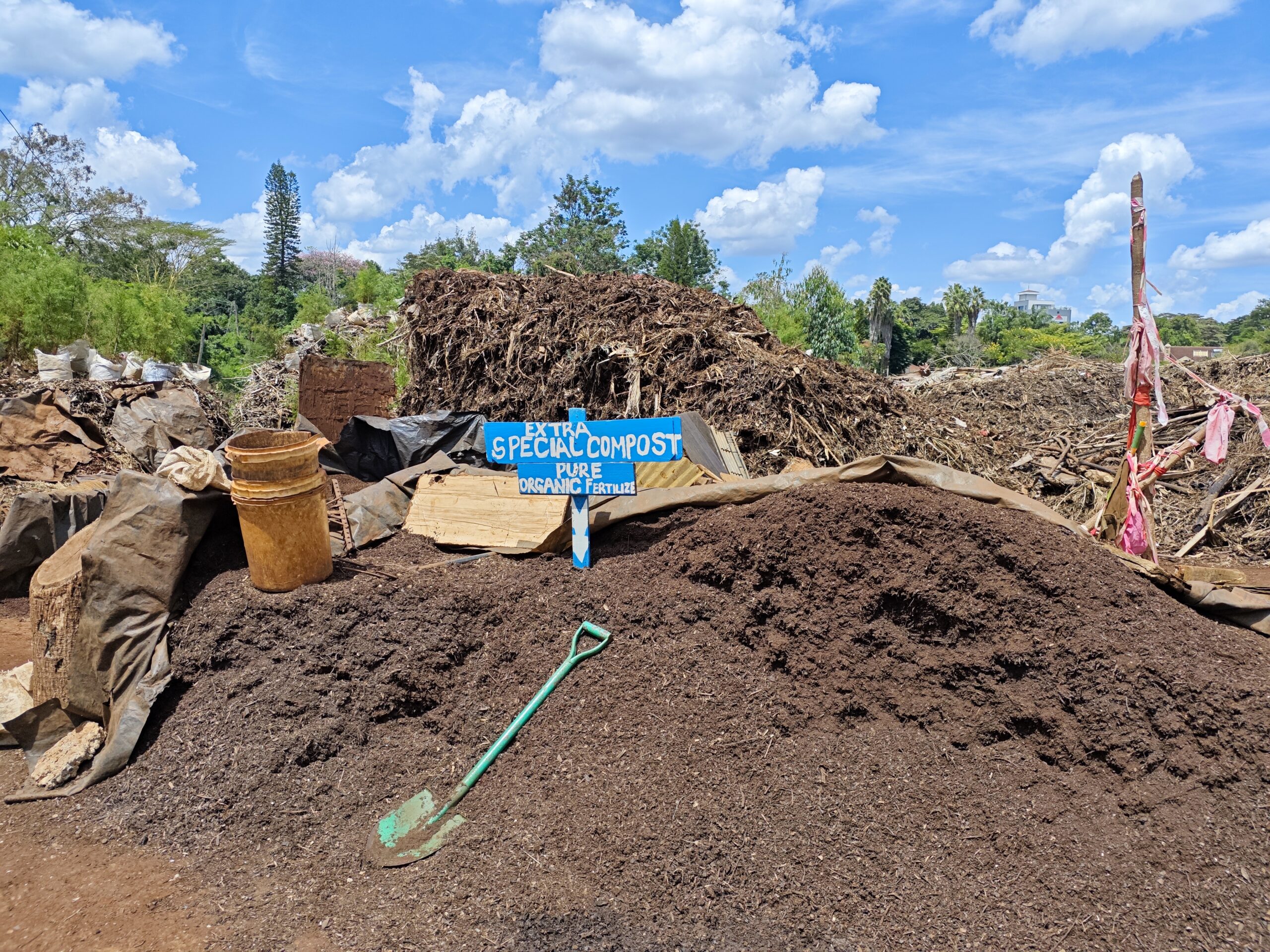
Organic fertilizers including compost, manure, green biomass, and biofertilizers act through multiple biological and physical pathways. They increase soil organic carbon, improve aggregation, and enhance microbial diversity. The International Food Policy Research Institute reports that soils enriched with organic matter can retain up to 20 percent more water. This has direct implications for drought resilience. Improved water retention stabilizes yields under rainfall variability, which is increasing across many African agro ecological zones.
Yield Stability and Long Term Productivity Dynamics
Yield response to organic fertilizers follows a different trajectory compared to synthetic inputs. Initial gains are moderate. Long term gains are more stable due to cumulative improvements in soil structure. The CGIAR indicates yield increases between 15 and 30 percent in degraded soils when organic inputs are integrated with improved agronomic practices.
Cost Structures and Input Dependency Reduction
Fertilizer price volatility has introduced systemic risk into African agriculture. Prices increased by more than 60 percent between 2021 and 2023 due to global supply disruptions. Organic fertilizers provide a localized alternative. Production at farm or community level reduces dependency on imported inputs. Cost reductions of 30 to 50 percent for smallholder farmers are achievable based on comparative input cost structures.
Climate Externalities and Carbon Sequestration Potential
Organic fertilizers contribute directly to climate mitigation through soil carbon sequestration. The Intergovernmental Panel on Climate Change estimates that improved soil management can sequester between 0.5 and 1.5 tonnes of carbon per hectare annually. This positions regenerative agriculture as both a productivity strategy and a climate intervention.
Integrated Soil Fertility Management as the Optimal Strategy
Evidence converges toward a hybrid model. Organic fertilizers alone are insufficient at scale due to variability in nutrient composition and labour intensity. Synthetic inputs alone degrade long term soil health. Integrated Soil Fertility Management combines organic inputs, targeted inorganic fertilizers, improved seeds, and water efficiency practices. Research indicates productivity gains of up to 50 percent under integrated systems relative to single input approaches. This is not a trade off. It is a systems optimization problem. Organic fertilizers serve as the biological foundation. Synthetic inputs act as precision supplements. Together they restore soil function while sustaining output growth.
The transition toward regenerative agriculture in Africa is not ideological. It is economically rational under conditions of soil degradation, input price volatility, and climate variability. Organic fertilizers represent a high leverage intervention within this transition. Their impact spans productivity, cost efficiency, and environmental sustainability. The constraint lies in scaling logistics, standardization, and knowledge dissemination. Systems that integrate organic inputs within broader agronomic frameworks will define the next phase of agricultural growth across the continent.