In This Brief
Climate finance for mitigation and adaptation is meant to leave farming households with more disposable income. This brief covers what AgriKonnekt presented at the Innovation Challenge showcase, what the conference concluded, and how Kilimora’s KOSAP clean cooking work in four counties stood behind the pitch. Part IVa describes that field work in full.
Industrial transformation is usually pictured as factories and transmission lines. It also depends on whether the farmer who supplies the factory can afford to cook without smoke, power a phone and run a cold room. That was the argument Kilimora took to Accra in August 2026, where AgriKonnekt stood among eleven finalists in the Innovation Challenge that ran inside the conference.
We did not arrive with a concept. We arrived with two years of field work behind us, and this brief explains how the two fit together. It reads the conference conclusions, sets out what we presented, and then asks a harder question: what, if anything, did the KOSAP clean cooking work contribute to the selection?
ACEP and the Future of Energy Conference
The Africa Centre for Energy Policy, known as ACEP, is an independent think tank based in Accra, Ghana. It works on energy, extractive and environmental policy, and it describes its aim as transformative policy that supports sustainable energy systems, responsible natural resource governance and inclusive economic development across Africa. It works with governments, civil society, industry and development partners, and it runs public platforms that keep official decisions visible: the Electricity Monitor, the Petroleum Contract Monitor, Our Oil Money and OilMoneyTV, alongside quarterly ACEP RADAR publications.
The Future of Energy Conference is ACEP’s annual platform for stakeholders who want an inclusive, sustainable and competitive energy future for Africa. The 2026 edition ran from 25 to 26 August in Accra under the theme “Powering Africa’s Industrial Transformation: Energy Systems for Value Addition and Competitiveness.” Policymakers, industry, financial institutions, development partners, civil society and researchers asked how Africa can use its energy resources, mineral wealth and regional markets to industrialise and deepen the value it keeps. ACEP published the action points on 29 August and the full conference report on 9 October.
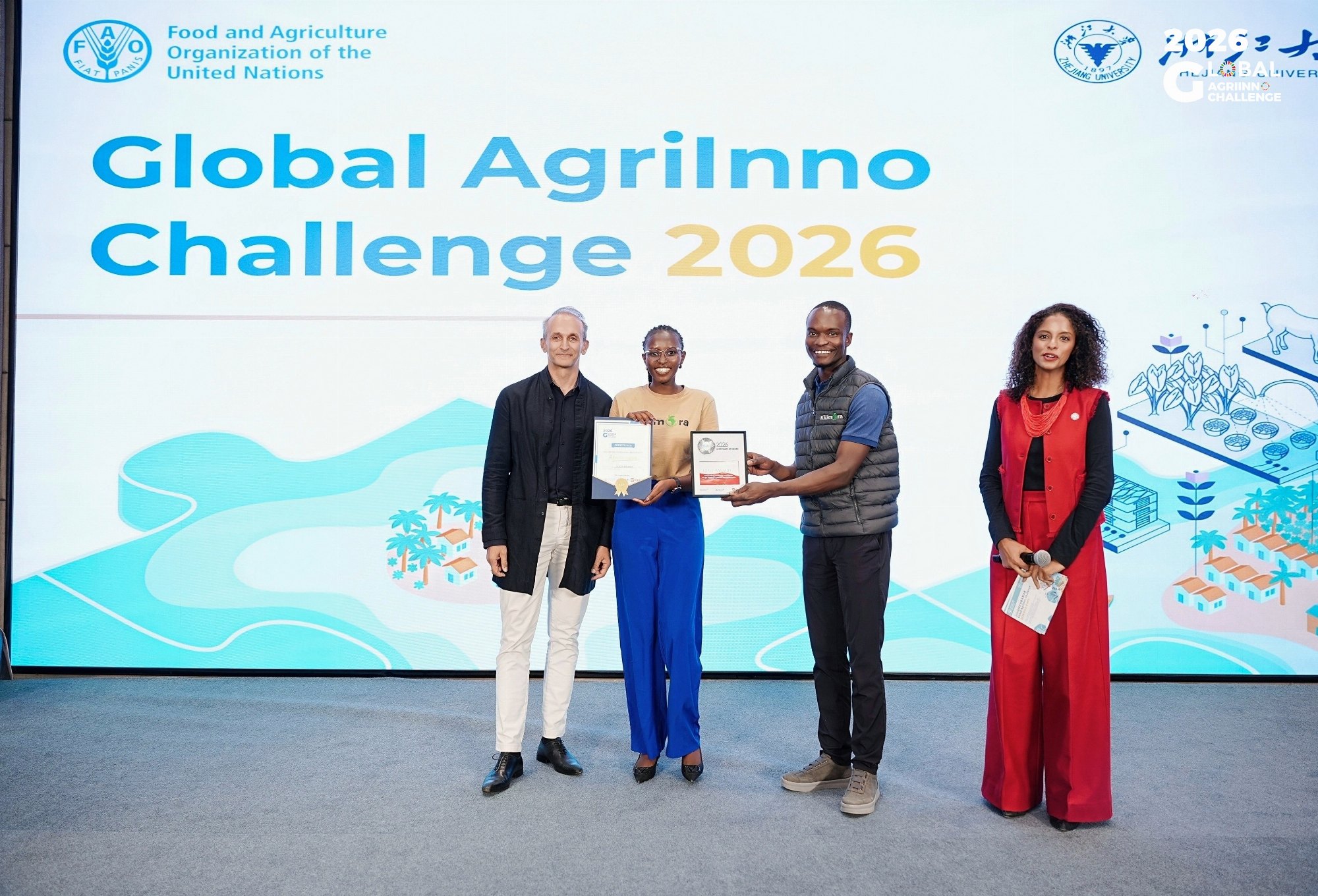
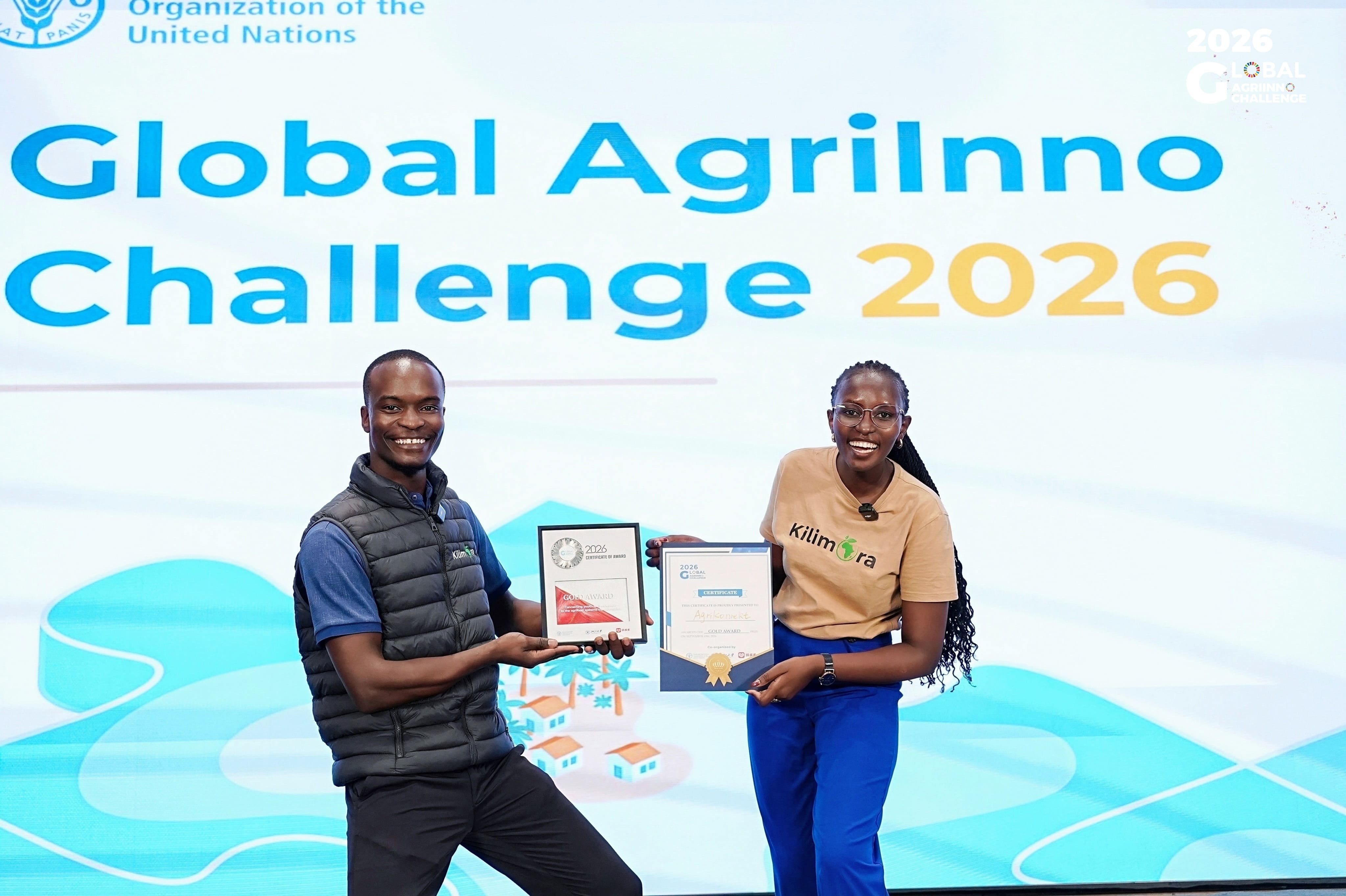
Alongside the conference sat an Innovation Challenge, run by ACEP with Africa Change Lab and supported by the UNDP Timbuktoo Initiative. It looks for African led solutions in the energy transition, sustainable industrialisation, climate resilience and critical mineral value addition. Eleven innovators were shortlisted across two tracks, the Pan African Low Carbon Track and the AfroHackathon Track, and each presented in a Final Pitch Event at the conference. Kilimora’s Godfrey Noel was shortlisted in the Low Carbon Track for AgriKonnekt, described as offline climate finance infrastructure for smallholder carbon markets in East Africa. Kenya had five of the eleven finalists, which says something about where energy innovation is concentrating in the region.
What the conference concluded
ACEP’s action points open with ten top level takeaways. They say that energy should be planned for production and not only access, and that energy and industrial policy must stop operating apart. They say resource wealth matters more when it builds local suppliers and skills, and that regional power pools and the African Continental Free Trade Area let countries specialise and share infrastructure. Several concern money: Africa’s financing challenge is also a problem of project preparation and risk allocation, better country and project data would price risk more accurately than a blanket Africa premium, and stronger state analytical capacity improves negotiating terms. The last two ask for investment in capability and local content that builds competitive firms, and for emissions data that informs decisions and not only compliance.
The recommended actions then speak to five groups: governments, regional and continental institutions, the private sector, financial institutions and investors, and civil society and research institutions. Three of those lines are close to what Kilimora does. Private firms are asked to build distribution, feedstock supply and after sales systems so that viable innovations leave the pilot stage. Financiers are asked for local currency, patient and blended finance and to assess risk project by project. Civil society is asked to bring in community voices, especially women, youth and small enterprises, and to build data tools for planning.
From climate finance to disposable income
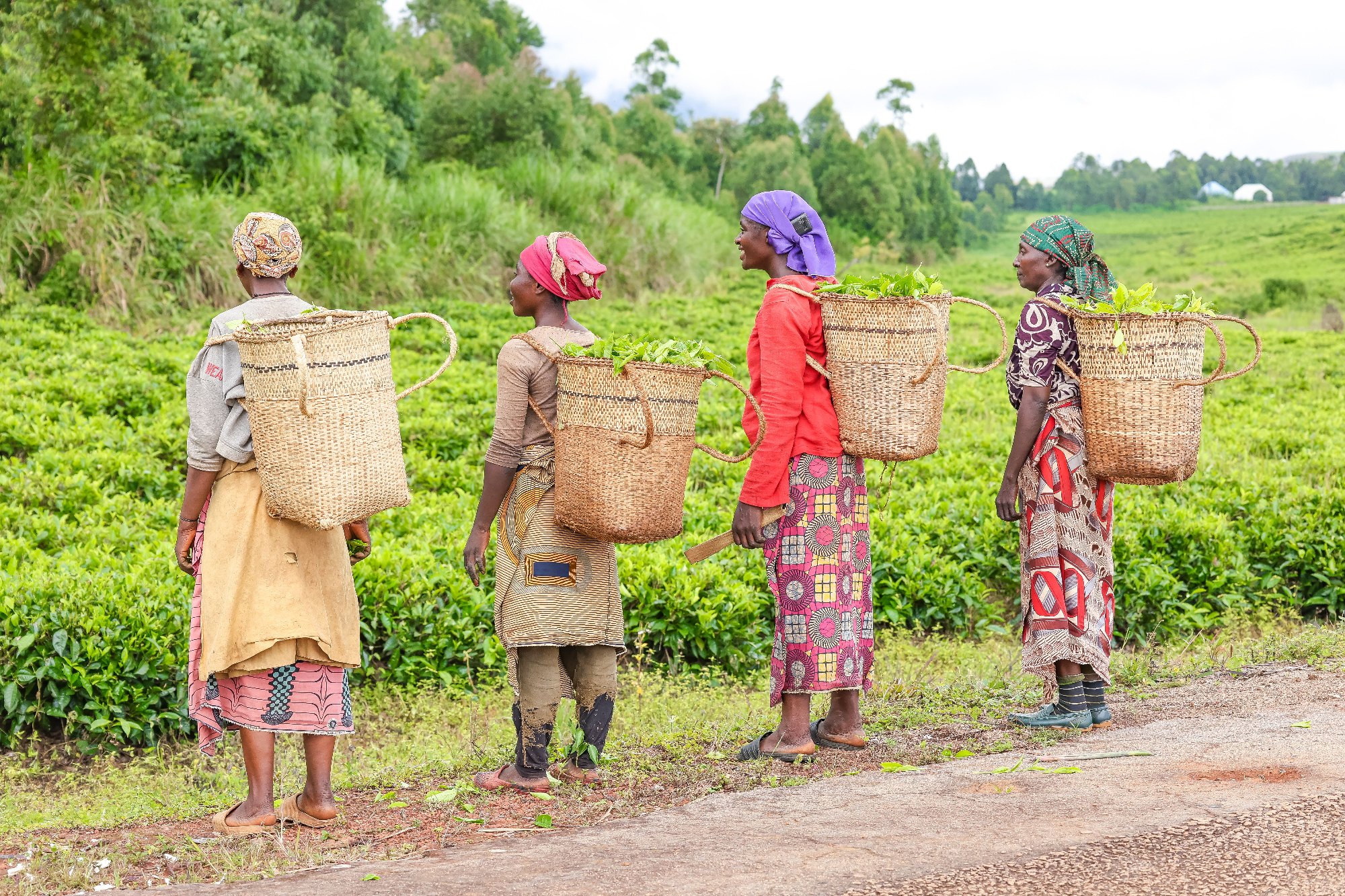
AgriKonnekt works in four steps: farmers learn regenerative practice on any phone, sensors and Sentinel-2 satellite imagery verify it, verified practice earns climate finance, and cooperatives trade the result. Payment reaches the farmer’s feature phone within 24 hours, where the industry norm is six to eighteen months, and more than 60 per cent of recipients are women. In the Murang’a pilot, farmer income grew by 65 per cent.
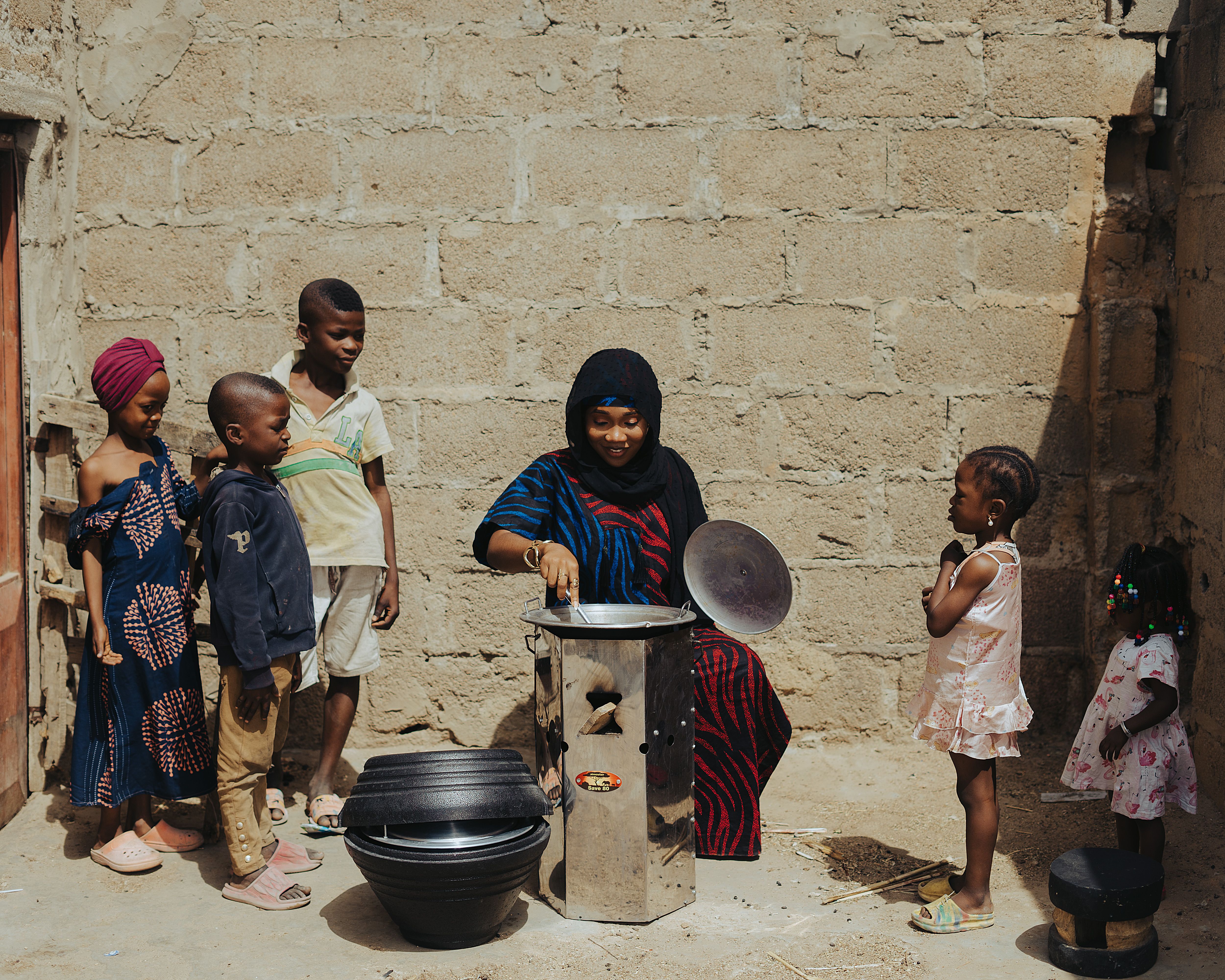
That income is the point. Money mobilised for mitigation and adaptation only changes a household if it arrives as spending power the household controls. AgriKonnekt names what it pays for: healthcare, education, nutrition, regenerative farming and renewable energy, meaning clean power and clean cooking that households can finally afford to buy. A cooker costs more than a charcoal stove, saves money over time and cuts both emissions and smoke. Households with steady, predictable income can make that trade. Households without it cannot, however good the product is. Speed matters here, because a payout that lands in days can be used the same season.
How the field work stood behind the pitch
The Innovation Challenge looks for solutions led from within Africa that can leave the pilot stage. Eleven innovators were shortlisted, and Kilimora’s Godfrey Noel was one of them, for AgriKonnekt. ACEP has not published how its panel weighed each entry. What follows is Kilimora’s own reading of why the application held up, and it should be taken as that and nothing more.
Our reading is that the KOSAP work gave the application three things a concept alone could not. The first was a record of operating where the challenge cares most. Between 2024 and 2025 we supported delivery companies in Narok, Garissa, Kilifi and Kwale, counties with long distances and dispersed settlements, where a payment system is only as good as its last mile. The second was a working discipline of verification. A results based facility pays only for what can be shown, so we spent a year learning what evidence a financier accepts, and AgriKonnekt applies the same rule to regenerative practice, with sensors and satellite imagery deciding who is paid. The third was a destination for the money. Once a farmer is paid within 24 hours, the next question is what the household buys with it, and the cooker chain we helped build in those counties is one concrete answer.
This is also where ACEP’s own language and ours meet. Its sixth takeaway says better data prices risk more accurately, and its recommendations ask private firms to build distribution and after sales systems and ask financiers for patient, local currency finance. Each of those had a counterpart in the counties, in the household and sale records we helped set up, in the community groups that handled demonstrations and after sale help, and in the instalment credit offered through SACCOs and civil servant creditors.
The honest limit is that we cannot yet set the appliance and household counts from the 2024 to 2025 work beside the Murang’a income figures. The project records have not been checked for release. They belong in the next version of this brief, and until then the link between the field work and the finalist selection remains our argument and not a demonstrated cause.
The wider financing picture
Kenya is not alone. Uganda has a national electric cooking strategy, Tanzania has a Clean Cooking Strategy and a presidential envoy for the subject, and the IEA counts 121 new clean cooking policies across more than 30 African countries since the 2024 Paris summit, covering about 80 per cent of Africans without access. The African Union is working with the IEA on a continental clean cooking strategy and action plan, and the Union and the African Development Bank are co organisers of the summit series. The second summit, planned for Nairobi on 9 and 10 July 2026, was postponed. A virtual session went ahead on 9 July, where the IEA announced US$900 million in new commitments, lifting the total above US$3.1 billion. President Ruto’s message at that session was blunt: ambition must be backed by investment.
What it means for Kilimora
- Keep energy inside AgriKonnekt. Climate payouts raise the income that makes a cooker affordable, and the sale then adds to the evidence base. One platform, one set of verified records.
- Lead with data and systems. Results based financing rewards proof, and ACEP’s takeaways ask for data that prices risk properly. Enterprise support that registers every appliance, household and sale is the most useful thing we bring.
- Carry the field evidence into every pitch. A showcase deck is strongest when it can point to a county, a delivery company and a verified sale. The KOSAP years should stay visible in AgriKonnekt’s story.
- Publish the numbers. This brief leaves out Kilimora’s own appliance and household counts from the 2024 to 2025 work. They should be added from the project records and checked before release.
SOURCES: Africa Centre for Energy Policy (2026), Action Points: Future of Energy Conference 2026, 29 August 2026; Africa Centre for Energy Policy (2026), Future of Energy Conference 2026 Innovation Challenge Announces Shortlisted Finalists, 14 August 2026; Africa Centre for Energy Policy (2026), Future of Energy Conference 2026 page and 2026 Future of Energy Conference Report, 9 October 2026; AgriKonnekt Initiative (2026), ACEP Innovation Challenge showcase deck; International Energy Agency, Kenya Off Grid Solar Access Project; Isiolo County Government, The Kenya Off Grid Solar Access Project; SNV, KOSAP official launch; KOSAP Facilities Manager, Clean Cooking RBF Lot 2 expression of interest; KOSAP Facilities Manager, Clean Cooking Results Based Financing call; IEA, Second Summit on Clean Cooking in Africa; WAM, New commitments to clean cooking in Africa reach US$900 million; Associated Press via WTOP, Africa secures US$900 million in new clean cooking commitments; Associated Press via WSLS, 121 new policies in more than 30 countries; Capital FM, Nairobi summit postponed; Capital FM, Ruto on the clean cooking transition.