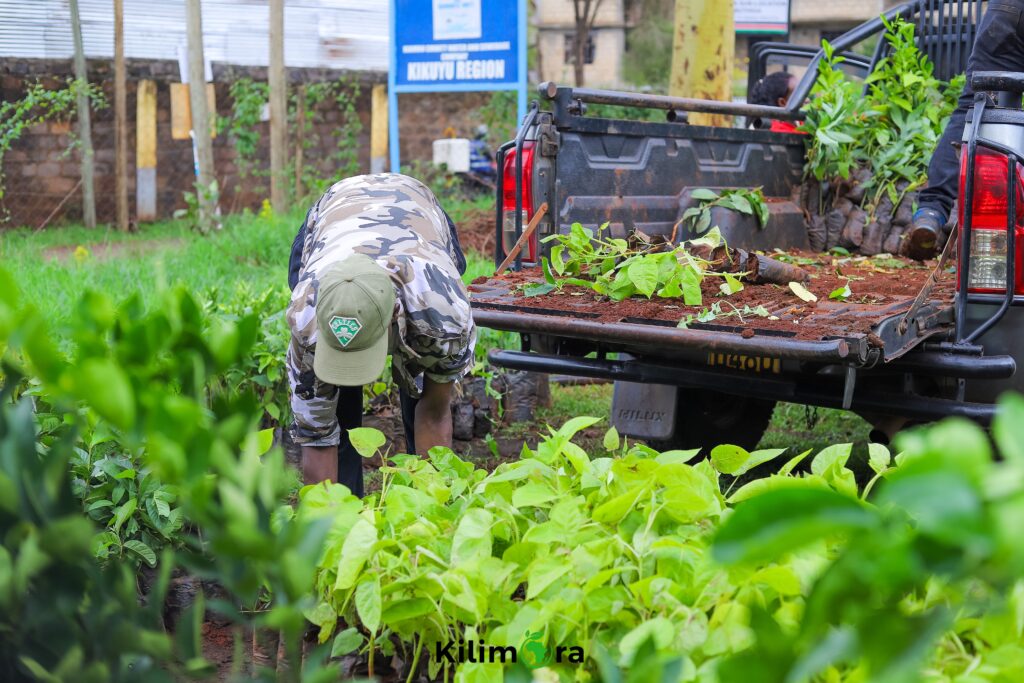
Agriculture is both a driver of climate change and one of its most exposed sectors. In Sub Saharan Africa, agriculture contributes roughly 20 to 30 percent of total greenhouse gas emissions when land use change is included, while employing over 60 percent of the workforce. This dual role makes policy design and integration a central lever for climate mitigation and adaptation.
The core problem is not the absence of policies. It is fragmentation and weak translation into farmer level action. Climate strategies, agricultural policies, land use regulations, and financing frameworks often operate in parallel rather than as a coordinated system. For smallholders, this creates complexity, delays adoption, and increases compliance costs. Continuous policy integration addresses this gap. It is not a one time reform. It is an ongoing process of aligning incentives, regulations, and delivery mechanisms so that climate smart practices become the default choice rather than an additional burden.
First, incentive alignment is essential. Smallholders respond to immediate economic signals. If climate smart practices such as agroforestry, water efficient irrigation, or soil restoration do not translate into short to medium term income gains, adoption remains low. Policies must therefore integrate subsidies, tax incentives, and results based financing that reduce upfront costs and reward measurable outcomes. Evidence from World Bank supported programs between 2021 and 2024 shows that adoption rates can increase by 40 to 70 percent when financial incentives are directly linked to practice uptake.
Second, regulatory clarity is required. Unclear land tenure and carbon rights frameworks limit participation in emerging climate finance opportunities. In many African countries, over 60 percent of smallholders operate without formal land documentation, which restricts their ability to access credit or participate in carbon markets. Integrated policy reforms that address land rights, benefit sharing mechanisms, and contract enforcement are necessary to unlock these pathways.
Third, delivery systems must be simplified. Extension services, financing programs, and market access initiatives are often delivered through separate channels. For farmers, this results in high transaction costs and low engagement. Integrated delivery models that bundle inputs, training, financing, and market linkage into a single platform have demonstrated stronger outcomes. In such systems, productivity gains of 30 to 50 percent and income increases of 20 to 80 percent have been recorded across pilot regions.
Fourth, coordination across institutions is non negotiable. Ministries of agriculture, environment, energy, and finance must operate within a shared framework. Without this, policies conflict or duplicate efforts. Countries that have established inter ministerial coordination platforms show faster implementation rates and more consistent outcomes at the local level. Fifth, feedback loops must be institutionalised. Policy effectiveness depends on continuous adjustment based on field level data. Digital tools and farmer networks can provide real time insights on adoption barriers, cost structures, and productivity outcomes. This allows governments to refine policies dynamically rather than relying on static frameworks.
The scale of the challenge justifies this level of effort. Climate shocks are already reducing agricultural productivity by an estimated 10 to 20 percent in vulnerable regions. At the same time, demand for food is projected to increase by over 50 percent by 2050. Without integrated policies that accelerate smallholder adaptation, this gap will widen. The direction is clear. Policy integration is not administrative work. It is a structural intervention that determines whether climate strategies translate into real outcomes on farms. Continuous alignment, simplification, and enforcement are required to make climate smart agriculture accessible, affordable, and scalable for millions of smallholders.
Discover more from Kilimora
Subscribe to get the latest posts sent to your email.