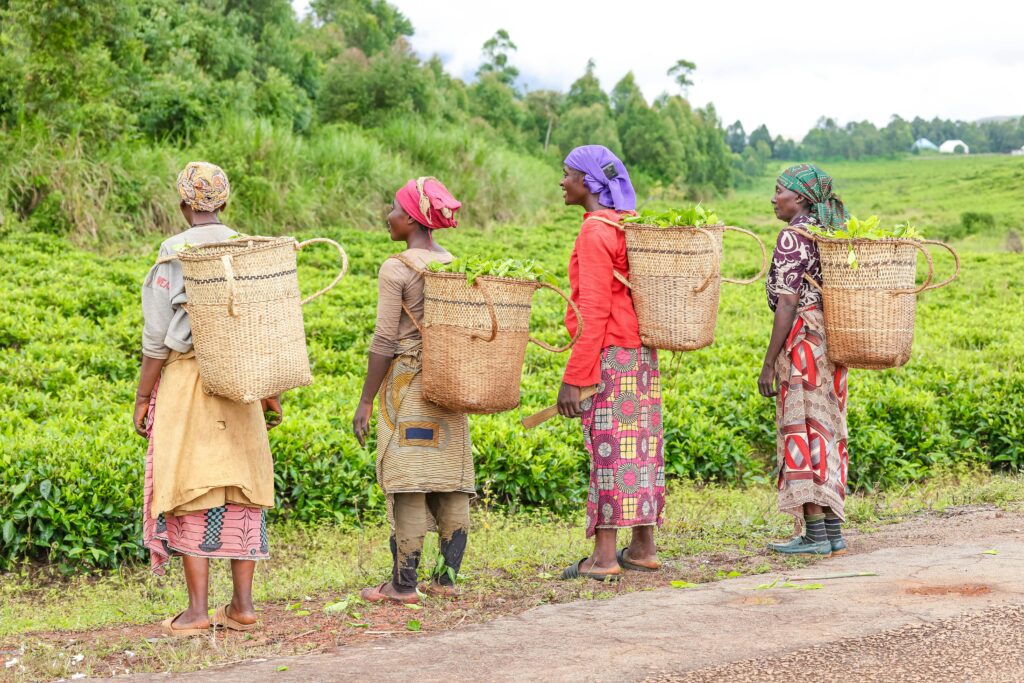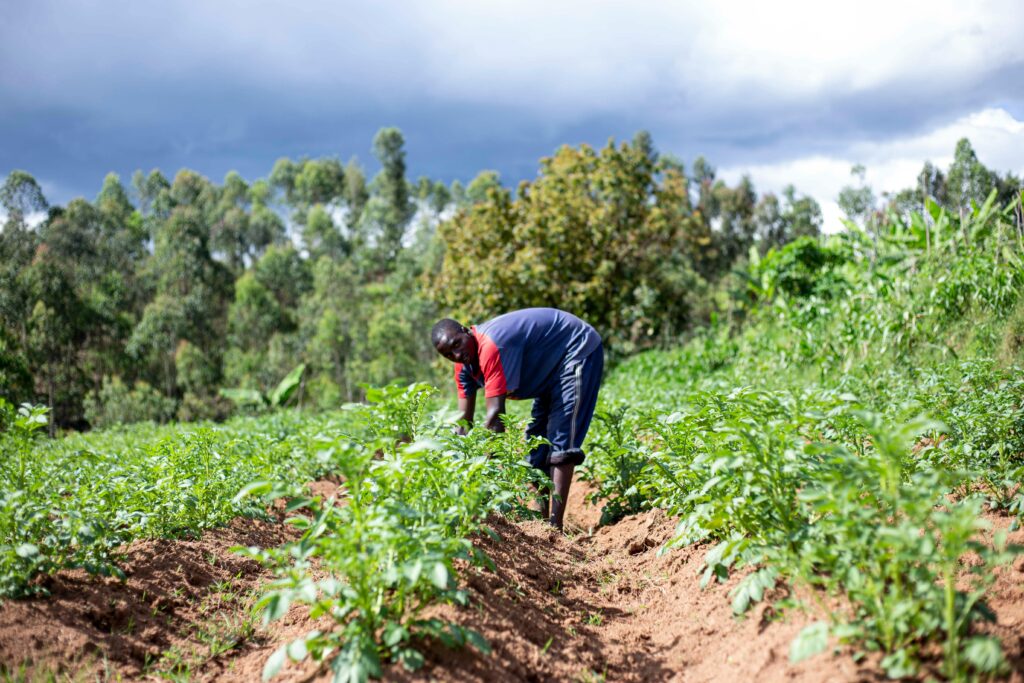
The shift toward sustainable homes in rural Africa is not theoretical. It is a measurable transition in how households optimize cost, stabilize income, and manage environmental risk. Evidence across Sub Saharan Africa shows that integrated home level systems built around energy, water, materials, and waste create compounding returns at both household and community scale.
Energy as the Primary Efficiency Lever
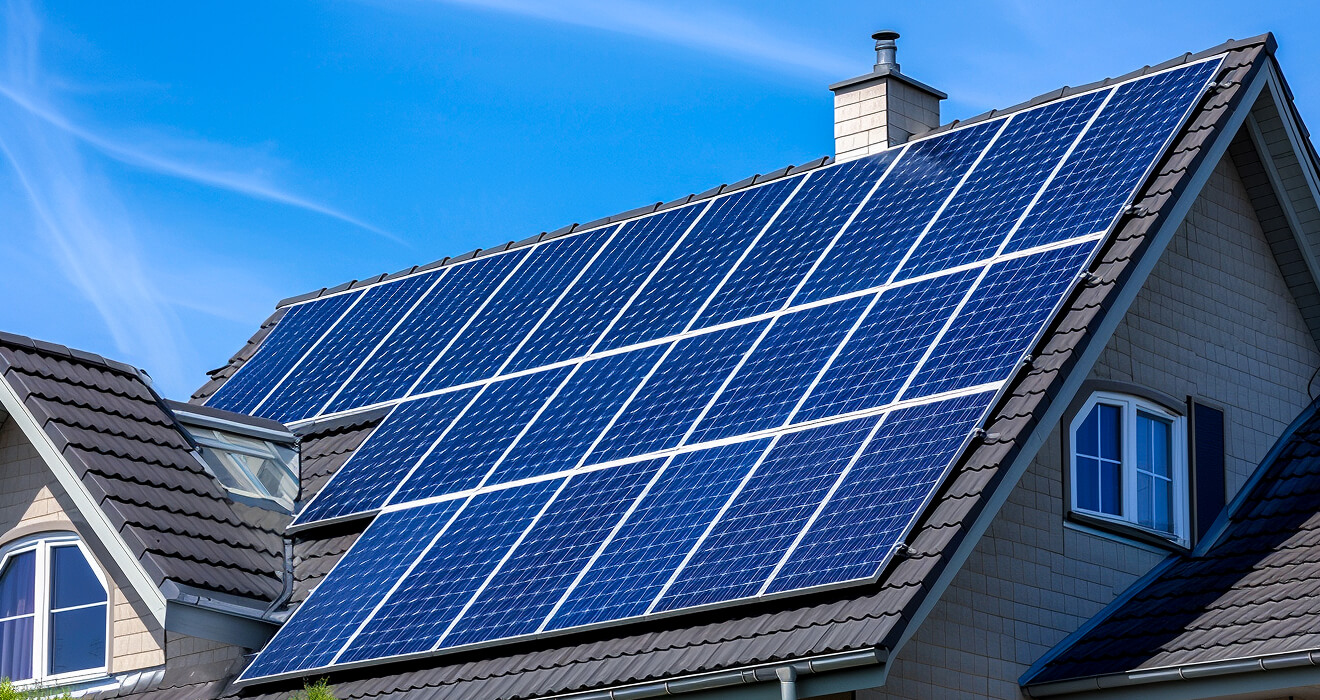
Energy access defines the baseline of productivity in rural households. According to the International Energy Agency 2023 estimates, more than 500 million people in Sub Saharan Africa lack reliable electricity. This gap directly constrains income generating activities and increases exposure to volatile fuel costs. Solar home systems present a direct intervention with quantifiable outcomes. A basic installation supports lighting, phone charging, and low power appliances. At household level, this reduces reliance on kerosene and diesel while lowering annual energy expenditure by up to 60 percent. In agricultural settings, the impact extends into productive use cases such as irrigation, milk cooling, and storage. The financial implication is straightforward. Reduced operating costs increase disposable income. Stable energy supply improves consistency of agricultural output. Over time, this translates into higher household level asset value and improved resilience against price shocks.
Water Efficiency as a Productivity Multiplier
Water access determines agricultural output. Small scale interventions such as rainwater harvesting systems can supply between 20 and 40 percent of household water demand during rainy seasons. When integrated with drip irrigation, water usage declines by up to 50 percent compared to flood irrigation methods. This is particularly relevant in arid and semi arid regions where water scarcity constrains crop cycles. Efficient water use improves yield predictability and reduces input waste, which directly affects farm profitability. The African Development Bank has consistently identified water efficiency as a critical factor in improving agricultural productivity across dryland regions.
Building Design and Material Efficiency
Construction choices influence both upfront cost and long term energy demand. Locally sourced materials such as stabilized soil blocks, bamboo, and stone reduce construction costs by 15 to 30 percent while lowering embedded carbon. Passive design strategies provide additional gains. Proper ventilation, insulation, and window orientation reduce indoor temperatures by 3 to 5 degrees Celsius. This minimizes reliance on mechanical cooling systems, which are often inaccessible or costly in rural contexts. The combined effect is lower lifecycle cost of housing and improved thermal comfort, which directly impacts health and productivity.
Waste as an Energy and Soil Resource
Waste management transforms a cost center into a productive input. Organic waste can be converted into compost or biogas. Small scale biogas systems provide clean cooking energy while reducing reliance on firewood, which is still used by over 70 percent of rural households. This has two direct outcomes. First, it reduces deforestation pressure. Second, it improves indoor air quality, which remains a major health risk in rural households. The International Monetary Fund has highlighted the economic burden of inefficient energy use in developing regions, reinforcing the importance of decentralized solutions such as biogas.
Integrated Systems Drive Compounding Returns
The critical shift is from isolated interventions to integrated systems. Solar energy powers water infrastructure. Efficient irrigation improves yields. Organic waste enhances soil fertility. Each component reinforces the other, creating a closed loop system at household level. Adoption constraints are structural rather than informational. Access to financing, technical expertise, and coordinated delivery models remain the limiting factors. Evidence shows that bundled solutions increase adoption rates and accelerate impact compared to single intervention approaches.
Strategic Direction
The trajectory is operationally clear. Eco friendly homes in rural Africa function as production systems rather than consumption units. When properly designed, they reduce costs by 30 to 60 percent across energy, water, and construction while improving agricultural output and income stability. The implication is direct. Households that integrate these systems move from vulnerability to controlled growth. Those that remain dependent on external inputs face increasing exposure to cost volatility and climate risk.
Discover more from Kilimora
Subscribe to get the latest posts sent to your email.