Agriculture in Sub Saharan Africa sits at the center of two converging pressures. It must increase productivity to feed a rapidly growing population, yet it remains highly exposed to climate variability. Agroforestry resolves this tension by integrating trees into farming systems, creating a production model that is both productive and climate resilient.
The precedent for agroforestry is not theoretical. It is evidence based and regionally validated. According to data from the World Bank and the Food and Agriculture Organization between 2022 and 2024, farms that integrate trees record yield increases of 20 to 50 percent over time due to improved soil fertility, moisture retention, and microclimate regulation. In parallel, these systems reduce input costs by lowering dependence on synthetic fertilizers, which have seen price increases of over 60 percent in parts of Africa since 2021.
From a climate perspective, agroforestry is one of the most effective land based mitigation strategies. Trees absorb and store carbon dioxide through biomass and soil organic carbon. On average, agroforestry systems can sequester between 2 and 10 tonnes of carbon dioxide per hectare annually depending on species, density, and management practices. At scale, this represents a significant contribution to national climate targets under global frameworks.
Deforestation remains a major emissions driver across Sub Saharan Africa, accounting for approximately 10 to 15 percent of total greenhouse gas emissions in many countries. Agroforestry directly reduces pressure on natural forests by providing alternative sources of timber, fuelwood, and fodder within farm systems. This shifts extraction away from forests while maintaining economic value for rural households.
The resilience benefits are equally material. Tree cover reduces soil erosion by up to 50 percent and improves water infiltration rates, which is critical in regions experiencing erratic rainfall. During drought periods, farms with agroforestry systems maintain higher productivity levels compared to monocropping systems. This stabilises incomes and reduces vulnerability to climate shocks.
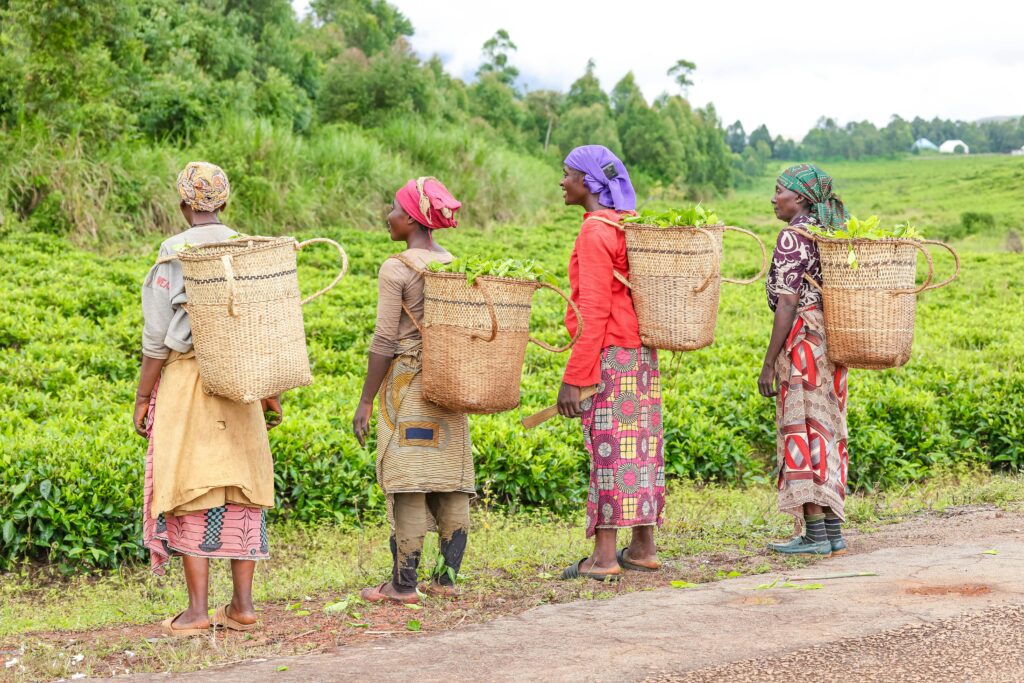
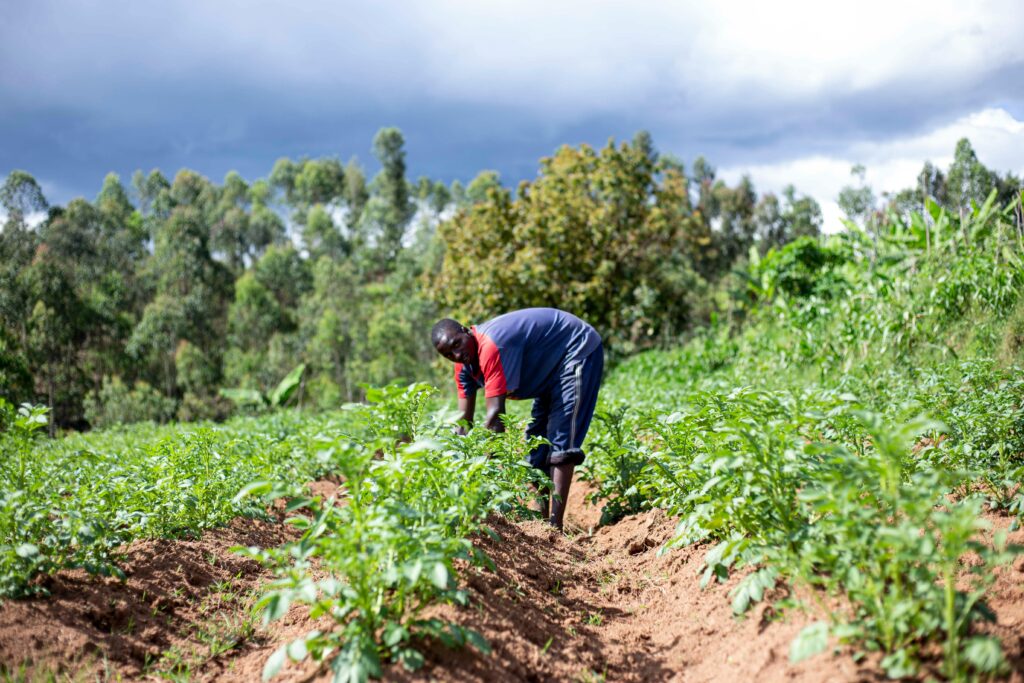
For smallholder farmers, who make up over 70 percent of the agricultural workforce in Africa, agroforestry creates diversified income streams. Timber, fruits, nuts, and other tree based products provide additional revenue that can account for 10 to 30 percent of household income depending on the system. This diversification is a direct hedge against crop failure and price volatility.
There is also a growing linkage to climate finance. Agroforestry systems are increasingly being integrated into carbon markets, where verified carbon sequestration can generate additional income. However, this requires clear land tenure, defined carbon rights, and robust monitoring systems. Without these, the financial potential remains underutilised.
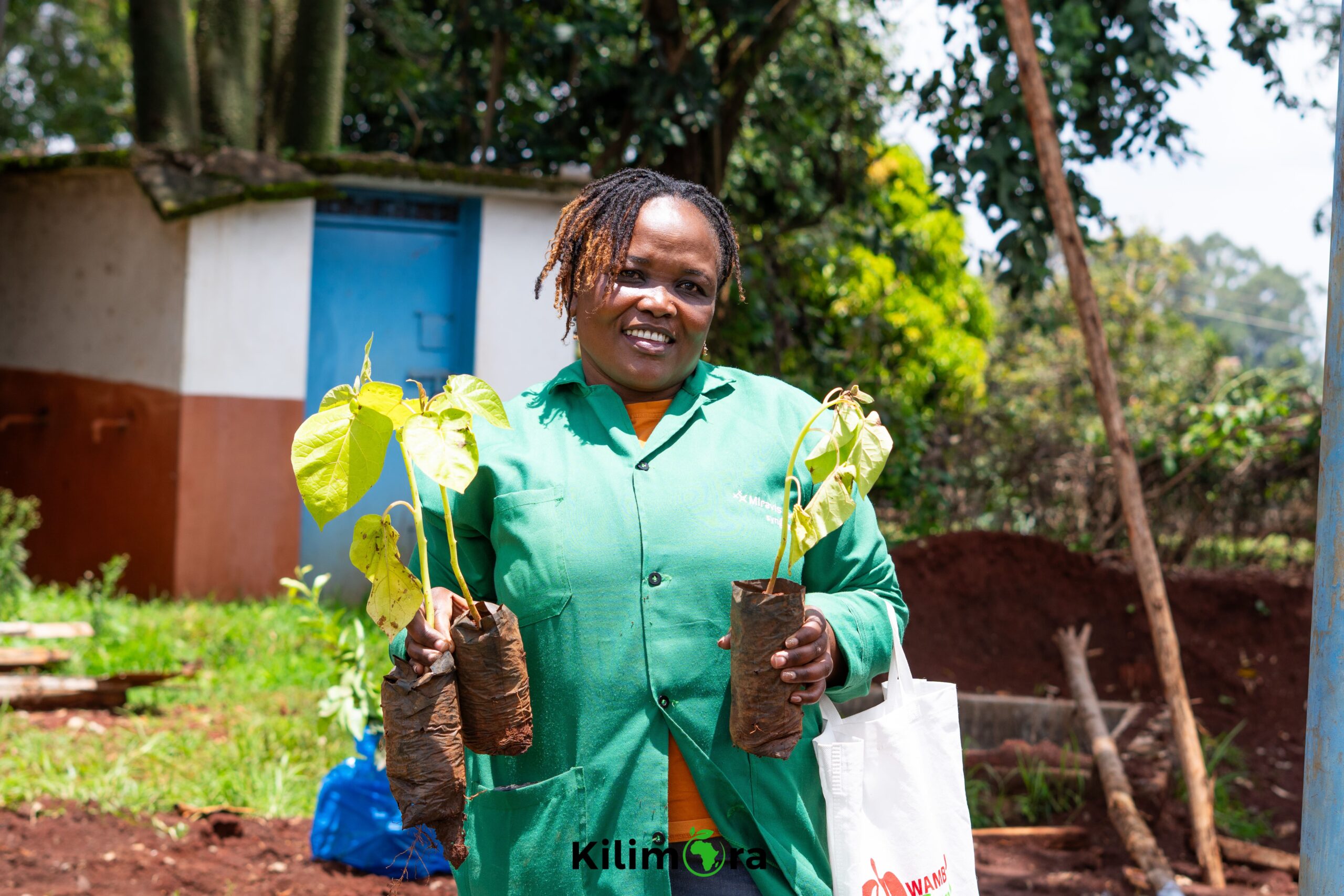
The constraint is adoption speed. Establishing agroforestry systems requires upfront investment, delayed returns for tree maturation, and technical knowledge. Yet where supported through structured programs, adoption rates increase significantly. Integrated models that combine training, input support, and market access show uptake rates above 60 percent in targeted communities.
The trajectory is clear. Agroforestry is not a supplementary practice. It is a core agricultural system that aligns productivity with climate mitigation and adaptation. In a region facing both food security and climate pressures, its role is not optional. It is foundational to building resilient, high performing agri value chains.
Discover more from Kilimora
Subscribe to get the latest posts sent to your email.