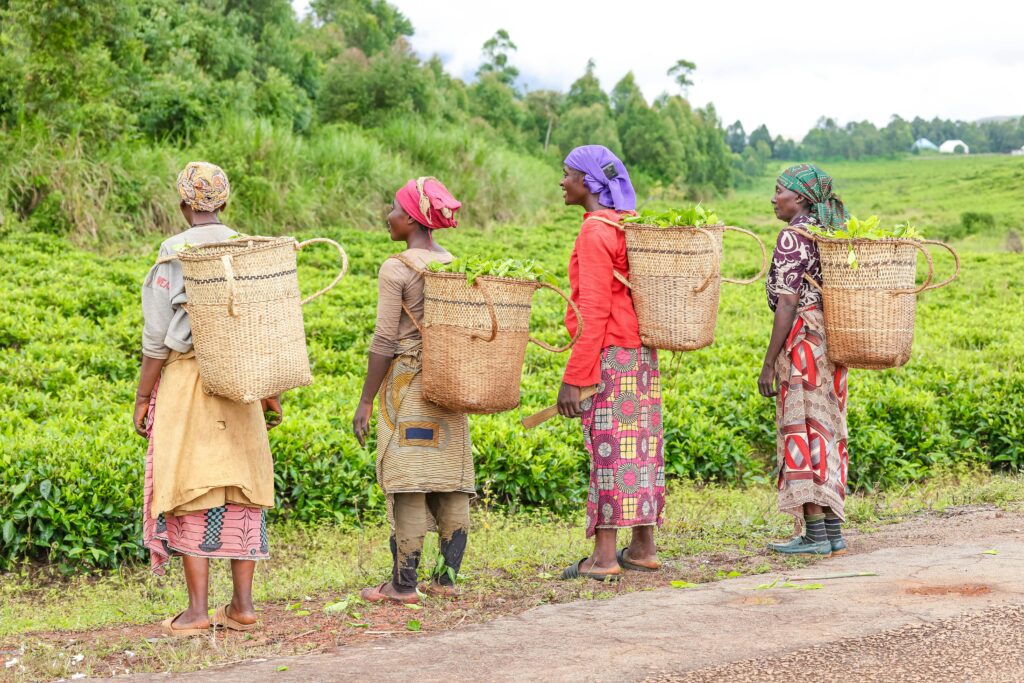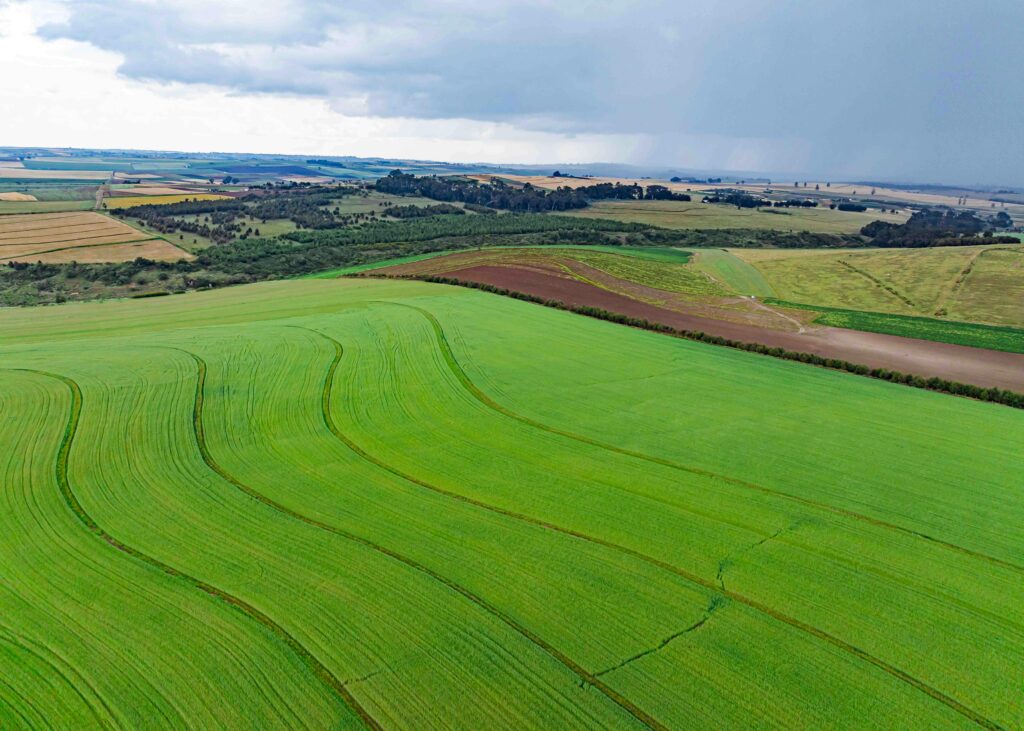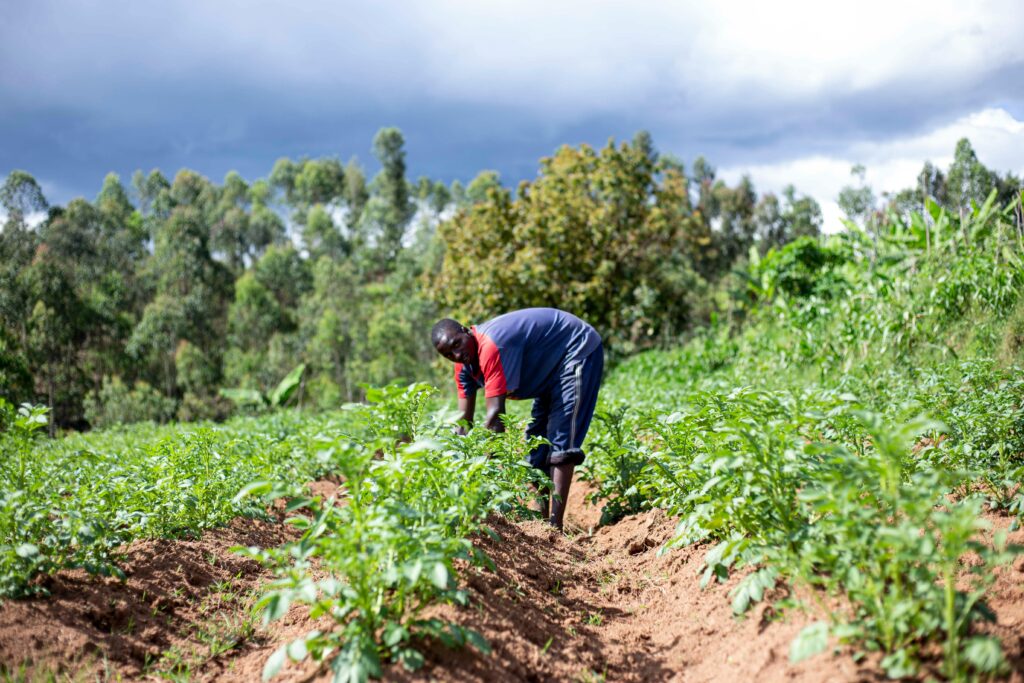
A quiet transformation is compounding into a structural shift across Africa’s agricultural systems, where technology, financing, and policy alignment are converging to unlock productivity at scale. What appears fragmented at surface level is, in reality, a coordinated evolution across value chains, with measurable gains emerging in resilience, efficiency, and market access.
At the production level, countries are aggressively reducing import dependency. Ghana’s strategy to localize poultry production targets a reduction of its current 95 percent import reliance within three years. This is not incremental reform. It is a full supply chain reconstruction, spanning hatcheries, feed systems, processing infrastructure, and distribution networks. If executed with discipline, this could redirect tens of millions of dollars annually into domestic agricultural GDP while stabilizing food prices.
Parallel to this, genetic innovation is becoming a competitive lever. Uganda’s development of the Kasolwe Brown Goat demonstrates a shift toward locally adapted breeding systems. With a controlled base herd exceeding 500 animals and consistent trait inheritance, the model signals a pathway for scaling livestock productivity without heavy dependence on imported genetics. The implication is clear. Regionally optimized breeds can improve yield per animal while reducing mortality rates, which currently average between 20 percent and 30 percent in some pastoral systems.
Technology adoption is moving beyond pilot phases into functional deployment. Satellite driven livestock management under initiatives like Time2Graze introduces near real time biomass monitoring, addressing inefficiencies in grazing patterns. Given that African livestock contributes approximately 18 percent of global methane emissions, with cattle responsible for about 70 percent of that share, optimization at this level has both economic and climate impact. Even a 10 percent efficiency gain in grazing could translate into significant reductions in emissions while improving feed utilization.
At the same time, informal digital systems are outperforming formal extension services. In countries like Benin, where only 23 percent of farmers receive structured advisory support, platforms such as WhatsApp and Facebook have become primary channels for price discovery, peer learning, and transaction coordination. This is not marginal adoption. It is a decentralized information infrastructure reaching millions, particularly empowering women led collectives that pool resources to access digital tools.
Capital inflows are reinforcing these shifts. Ghana’s €47 million irrigation investment and Cameroon’s $70 million input procurement signal increased public sector commitment to agricultural infrastructure. Private capital is also scaling. The $23 million financing arrangement in Nigeria reflects growing confidence in agribusiness as an investable sector, particularly when linked to processing and export potential.
At the systems level, global governance is beginning to align with African priorities. The enforcement of new international rules targeting illegal fishing addresses an estimated $11.2 billion annual loss across the continent. This introduces a recovery mechanism for marine economies that have historically operated under extraction pressure without adequate protection.
The underlying pattern is consistent. Africa’s agricultural transformation is no longer constrained by a single bottleneck. Progress is occurring simultaneously across inputs, production, distribution, and policy. The constraint is now execution discipline. Countries and enterprises that integrate these elements into coherent strategies will capture disproportionate value. The next five years will not be defined by isolated innovations. They will be defined by how effectively these innovations are combined into scalable systems that deliver measurable increases in yield, income, and resilience.
Discover more from Kilimora
Subscribe to get the latest posts sent to your email.