In This Brief
This is Part I of a series that sets the evidence base for Kilimora's work. It starts with a field study by Marylyn Mugure Gathiru, Kilimora's Research Lead, who went into Obunga, a settlement in Kisumu, to ask what people drink, what they believe about it and whether sunlight and watermelon rind could make it safer. The result that did not work teaches as much as the ones that did.
Before Kilimora built a model for farmers, its Research Lead was measuring water. Marylyn Mugure Gathiru completed her MSc in Applied Analytical Chemistry at Kenyatta University in November 2024 with a thesis on water and sanitation in Obunga, a settlement of 18,421 people in Kisumu County, and on whether solar disinfection could be improved with a nanomaterial made from watermelon rind. Her fieldwork ran in 2018, so this brief treats it as a baseline, and then checks it against what the world knows now.
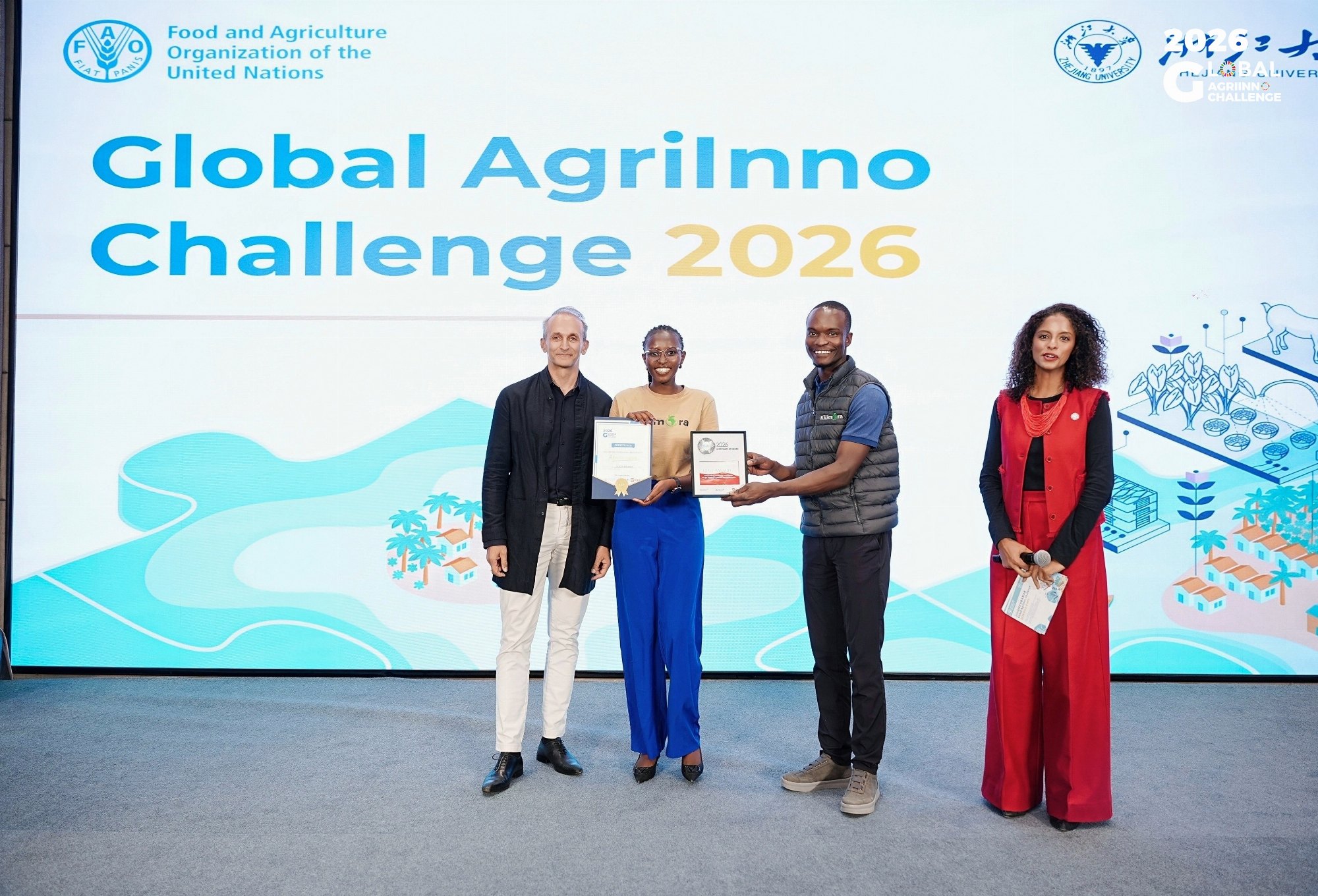
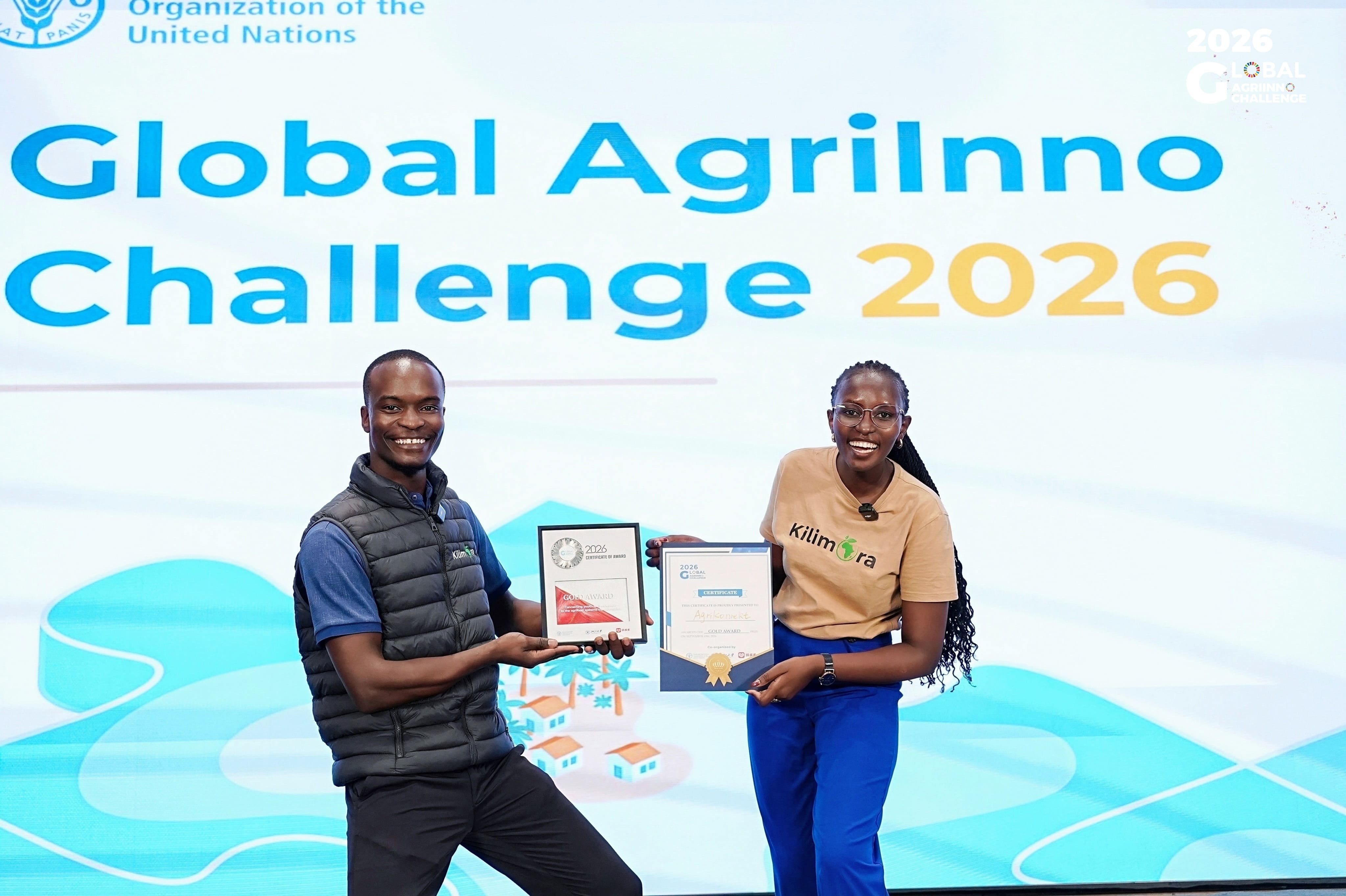
Why begin here? Household water and smallholder farming share a problem. Claims about what works are easy to make and hard to prove where power, money and infrastructure are thin. The thesis shows a way to answer such claims: ask people first, measure on site, change one thing at a time, and report the result even when it disappoints. That discipline sits under everything Kilimora does, including AgriKonnekt, the model that won Gold at the Global AgriInno Challenge 2026.
A settlement drinking from the ground
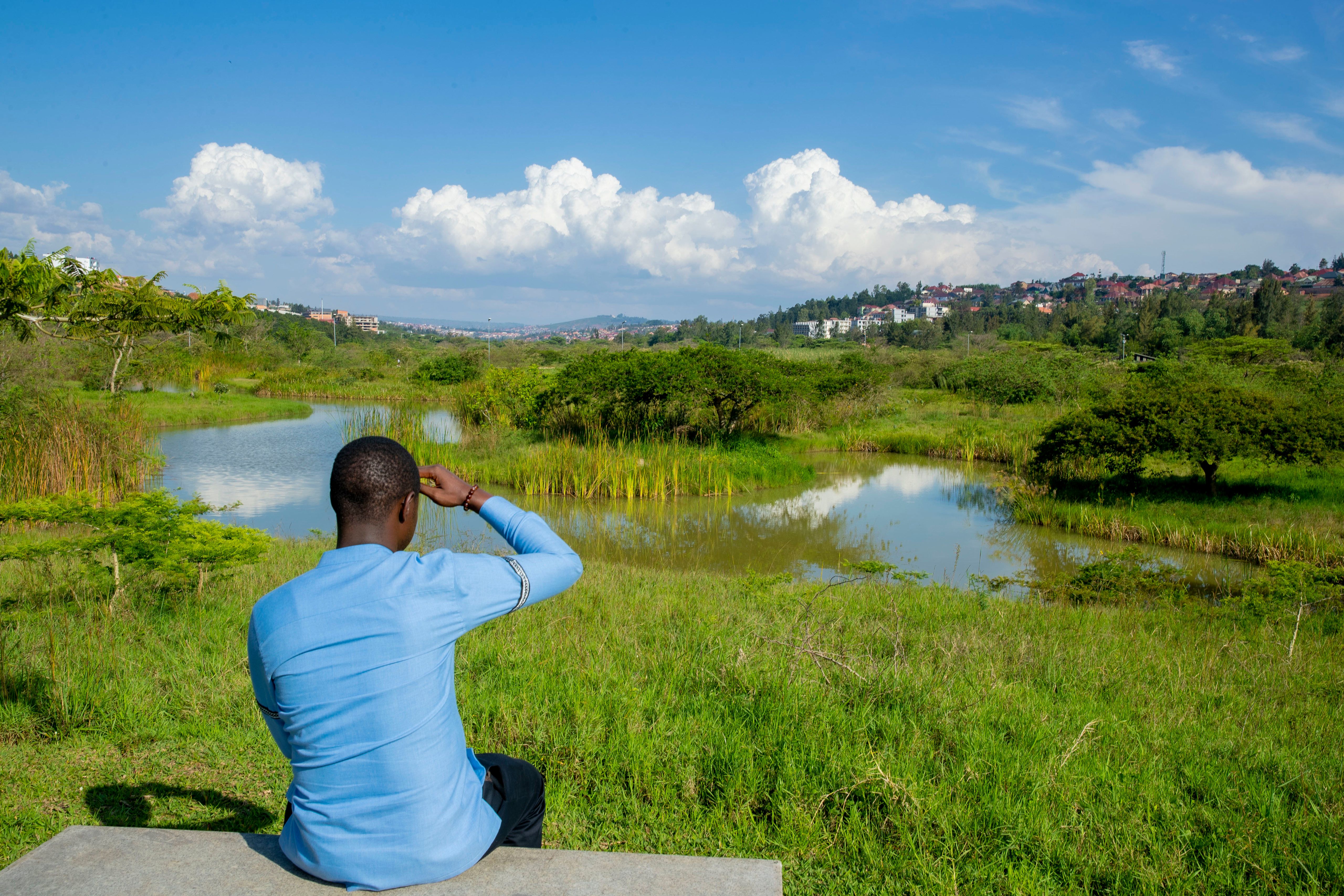
Obunga is divided into four units, called zones I to IV in the study: Kasarani, Sega, Obunga Central and Kamakowa. Many residents run small kiosks selling clothes, fish, charcoal or cooked food, on monthly incomes the thesis puts at KSh 10,000 to 15,000. Gathiru interviewed household heads zone by zone, using a questionnaire built on the World Health Organization's 2018 guidance for water and sanitation assessments.
The picture was stark. More than half of households, 58 percent, drank from unprotected wells. Only 34.65 percent used a source classed as improved. Earlier surveys had found 84 percent and 79.5 percent of residents using public taps or standing pipes, and the thesis links the retreat to drought, rationing and a cost of living that made water bills hard to meet. Safe water, in other words, is not a switch that stays on once it is installed.
The gap between what people use and what they trust
Nine in ten households treated their water at least some of the time: 59 percent said they treated it and another 31 percent did so sometimes. What they did, though, was at odds with what they believed. Boiling was the most common method, used by 57 percent of households, yet only about 1 percent thought it worked. Chlorination was the opposite: 80 percent believed it was the most effective method and only 10 percent used it. One household had tried solar disinfection, alongside boiling, and 10 percent thought it effective.
The thesis reads the gap as a matter of cost. Boiling is effective when the water reaches a rolling boil, so the doubt is a question of trust, but it burns firewood or charcoal that the household has to buy. Chlorine works and is trusted, and it costs money too. The strongest link in the survey was between the decision to treat water and the method chosen, with a correlation of 0.49. People pick what their budget lets them pick, not what they believe is best.
Sanitation without a single improved rung
None of the households surveyed used an improved toilet. Eighty six percent used a pit latrine with no cover, 5 percent practised open defecation, and no one was connected to a sewer. Not one respondent rated their toilet clean or very clean, and half called it very dirty. The thesis ties the two problems together: latrines sit close to wells and taps, and vandalised pipes expose supplies to open sewers.
The survey also hints at who pays. Illness from waterborne disease was most frequent among the youngest members of households, a moderate correlation of minus 0.39 with age, and the link between the type of water source and illness was weak. Water from every source, protected or not, could make people sick. A label on a source is not a guarantee about the glass.
Testing the sun
Solar disinfection, known as SODIS, is the cheapest treatment imaginable. Fill a clear 2 litre plastic bottle, leave it in the sun for six hours, and ultraviolet light and heat inactivate the microbes. Gathiru took water from four unprotected wells, one in each zone, filled twelve bottles, set them on a metal roof and counted bacteria on 3M Petrifilm plates before the sun, every hour, and at the end of six hours. The day was hot and clear, with an average of 29.4 °C at midday.
Every well was contaminated. Zone III, with cattle grazing beside the source, was the worst by far, with a mean count more than three times that of zones I and II. Across all four, E. coli fell by more than 99.99 percent. The coliform bacteria were harder: 99.18 percent were killed in zone I, 97.67 percent in zone IV, and only 69.32 percent in zone III. Pooled, the bacteria fell about 85 percent in six hours.
Two things stand out. First, the dose needed was modest. A cumulative UV-A dose of about 516 kJ/m² gave a more than 99.99 percent kill of E. coli, about a quarter of the 2,000 kJ/m² that the SODIS manual is generally taken to require for a 99.9 percent kill. Local conditions, bottle size and contamination all move the number, which is why it has to be measured on the spot.
Second, the indicator shapes the verdict. E. coli, the standard yardstick, reached the finish line in every zone. The wider group of faecal coliforms did not. The thesis suggests those other coliforms may resist the sun better than E. coli, and joins earlier researchers in asking whether a hardier organism should serve as the benchmark. If you only measure the easy organism, you will only learn that it is easy.
A watermelon, some silver and a test
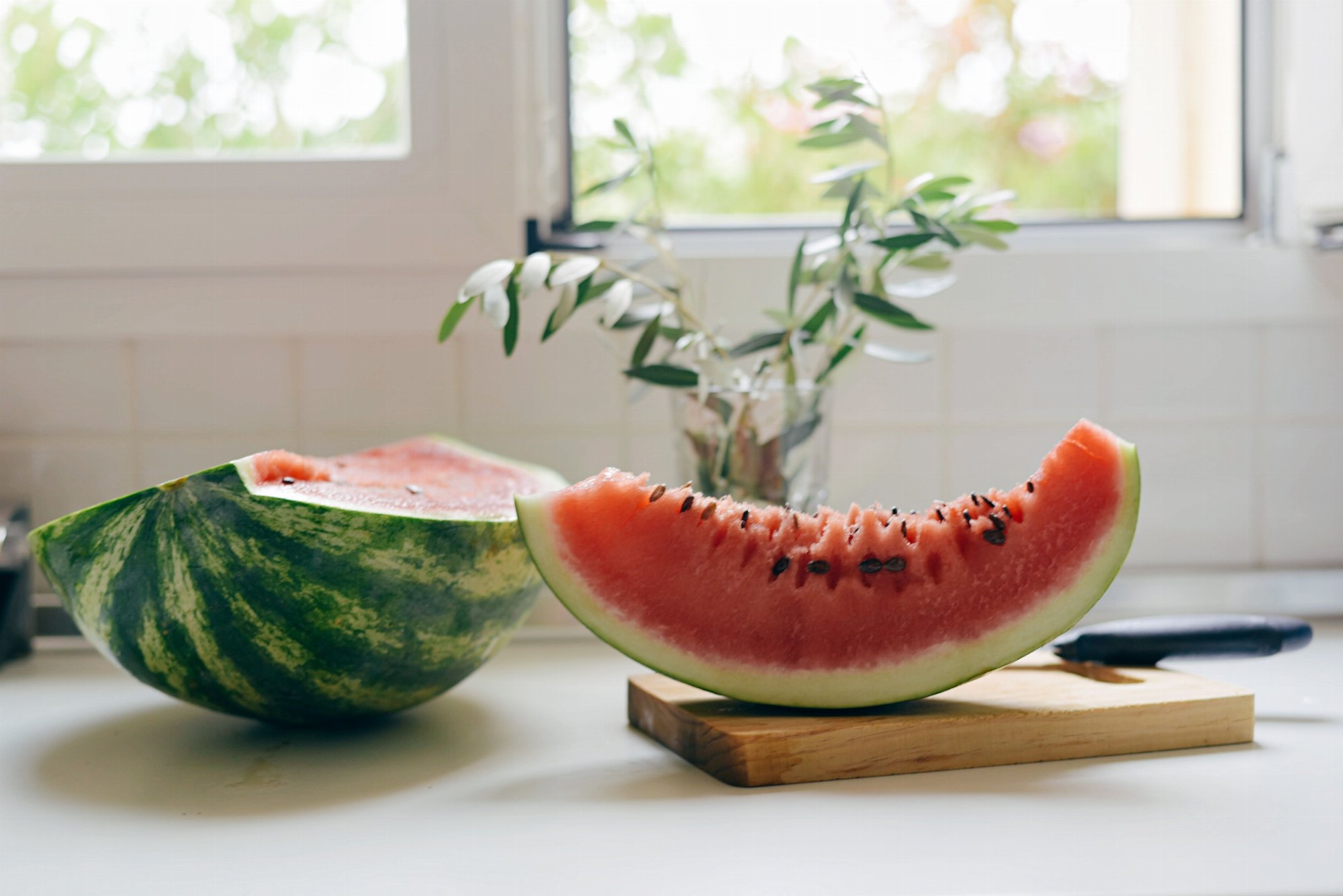
Sunlight has a weakness. Titanium dioxide, a common photocatalyst, responds only to ultraviolet light, which is why SODIS slows down on cloudy days. Adding silver to its surface lets it use visible light, and it also slows the recombination of charge that wastes energy. The usual recipes use hazardous chemicals. Gathiru swapped in an extract of watermelon rind, 150 g blended with 500 mL of water, as the agent that turns silver ions into silver particles.
She then optimised the recipe for time, temperature and acidity. The best conditions were 45 minutes, 100 °C and pH 12. The silver particles that formed averaged 7.48 nanometres across, half the 14.87 nanometres from the chemical route, and far more even: their spread relative to their size was 54 percent against 98 percent. A visible light absorption peak appeared at 425 nm, as intended. The chemical route did load more silver, 17.9 percent by weight against 10.4 percent on the XRF measure, and the rind route showed some clumping that the thesis traces to the extract's natural capping compounds. A kitchen waste product had matched a laboratory reagent and delivered the tighter particles.
The result that did not work
The last step was the real test. Gathiru coated 3 to 4 mm glass beads with the nanocomposite, dropped them into the bottles and ran SODIS again, beside a plain control. The kill rate in all three treatments was above 99.98 percent, and the means were statistically the same, with a p value of 0.915.
The thesis is candid about why. Silver and titanium dioxide are well known as antibacterial agents, so the material was not the problem. The beads sank to the bottom of the bottle and barely met the microbes. Shaking them back into suspension cooled the water and undercut the heat from the sun. Adding more powder stained the water. The chemistry worked, and the delivery did not. An editorial reading adds one more factor: with the plain control already above 99.98 percent, there was almost no headroom left to improve.
The thesis recommends trying other cheap supports, such as glass rods, rings or porcelain beads, and tracking bisphenol A and any chemical release from the coating. It also keeps what did work: the baseline survey, the field tested SODIS dose and a rind based recipe for silver particles that others can reuse.
What the wider evidence says
Obunga is not a historical footnote. In its 2025 update, the WHO and UNICEF Joint Monitoring Programme estimated that 2.1 billion people, one in four, still lacked safely managed drinking water in 2024, and 3.4 billion lacked safely managed sanitation, including 354 million who practise open defecation. Rural coverage of safely managed drinking water rose from 50 to 60 percent between 2015 and 2024, while progress in urban areas stalled. In Kenya, 36 percent of people used safely managed sanitation in 2024, and just 11 percent of domestic wastewater was safely treated, according to the UN SDG 6 data portal.
The stakes are visible in the news. In April 2025, Kenya's Ministry of Health reported cholera cases across Migori, Kisumu and Nairobi, 125 confirmed with six deaths by 20 April. Cholera is a disease of unsafe water and poor sanitation, and it finds informal settlements first.
Does treating water at home help? The best evidence says yes. A Cochrane review of trials in low income settings found that household chlorination cut diarrhoea by roughly a quarter, point of use filters by about half, and solar disinfection by around a third, with the strongest effects where people used the method consistently. That last finding is the thread running through Obunga. The technology is only half the answer, and the other half is whether a household can use it, afford it and trust it.
Why a farm enterprise starts with water
Water is also where farming begins. Agriculture accounts for about 72 percent of the freshwater humans withdraw, according to FAO's 2025 AQUASTAT snapshot, and in some 35 countries, mostly in sub Saharan Africa, less than 1 percent of cultivated land is irrigated. Smallholders in this region work with unreliable infrastructure, tight budgets and claims that nobody has checked. Those are the conditions in which Obunga's residents decide how to treat their water.
The habits that made the Obunga study useful carry over directly. Five of them become working principles for Kilimora.
- Baseline first. Measure the situation before changing it. The survey came before the experiment, and it showed that the problem was bigger than the one the experiment set out to solve.
- Count belief as well as behaviour. What people trust and what people do can point in opposite directions. Boiling and chlorination show that gap in numbers.
- Price the solution at the household's budget. A method that is effective but unaffordable is not a solution, and a cheap one that nobody trusts is not either.
- Test where it will be used. Obunga's wells, rooftops and sunlight, not a laboratory bench, set the dose and the result. Local measurement beats borrowed assumptions.
- Report the null and design the last metre. A flat result is evidence. The glass beads failed at the point where technology meets water and people, which is where most field interventions succeed or fail.
Part II moves from the water to the field. It takes these foundations to the farm and asks how the same discipline of measuring first, pricing honestly and reporting plainly applies to the evidence smallholders need to reach markets and climate finance.
SOURCE: Gathiru, M. M. (2024), Sustainable Water Solutions: Evaluating Water Practices and Watermelon Rind Mediated Ag/TiO2 Nanocomposite Modified Solar Disinfection Efficacy in Obunga Slum, Kisumu County, MSc thesis, Kenyatta University; WHO and UNICEF Joint Monitoring Programme, Progress on Household Drinking Water, Sanitation and Hygiene 2000 to 2024 (August 2025); UN SDG 6 Data Portal, Kenya country profile, 2024; Clasen et al., Interventions to improve water quality for preventing diarrhoea, Cochrane Database of Systematic Reviews, 2015; FAO, AQUASTAT Water Data Snapshot 2025; Kenya Ministry of Health cholera updates, April 2025, as reported in the press