In This Brief
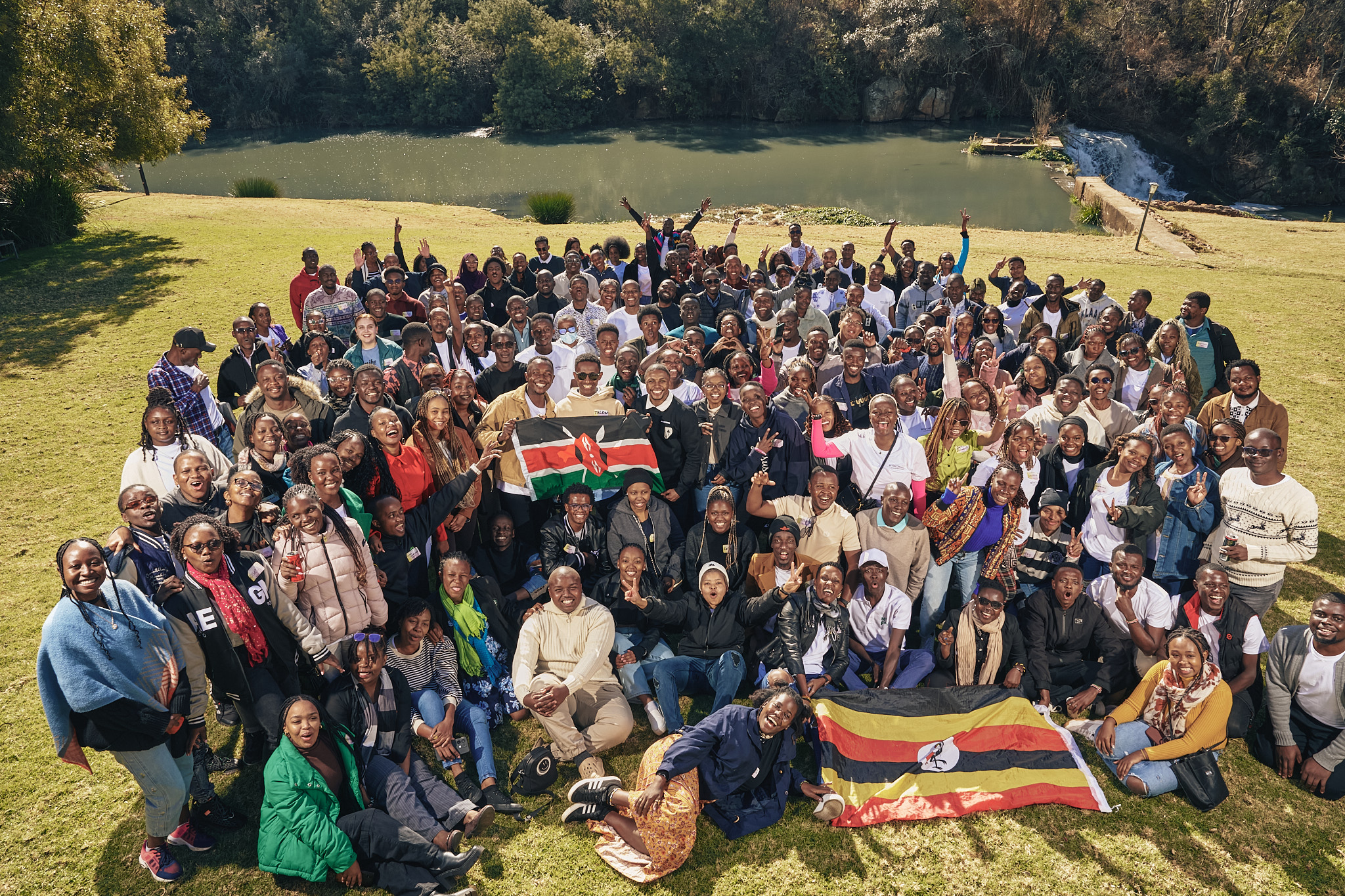
Supported by AUDA-NEPAD in partnership with WRI, and funded by the Swedish International Development Cooperation Agency (Sida), for the AFR100 Initiative, Kilimora joined Africa Agribusiness Academy (AAA Kenya), A Community Systems Hub and Kiambu County leaders on 14 March 2026 at the ACSH Community Garden in Kikuyu, where farmers learned, planted and took home fruit trees together. The numbers below tell the story of that morning and the seasons it sets in motion.
About the numbers. Every count here comes from Kilimora’s event report. The report’s headline celebrates more than 100 farmers and over 1,000 seedlings, and its detailed analysis uses the 84 farmers in the signed register and the 840 seedlings issued to them. Both appear below. Package costs and per species savings are our own calculations from the quotations.
Why fruit trees, and why here
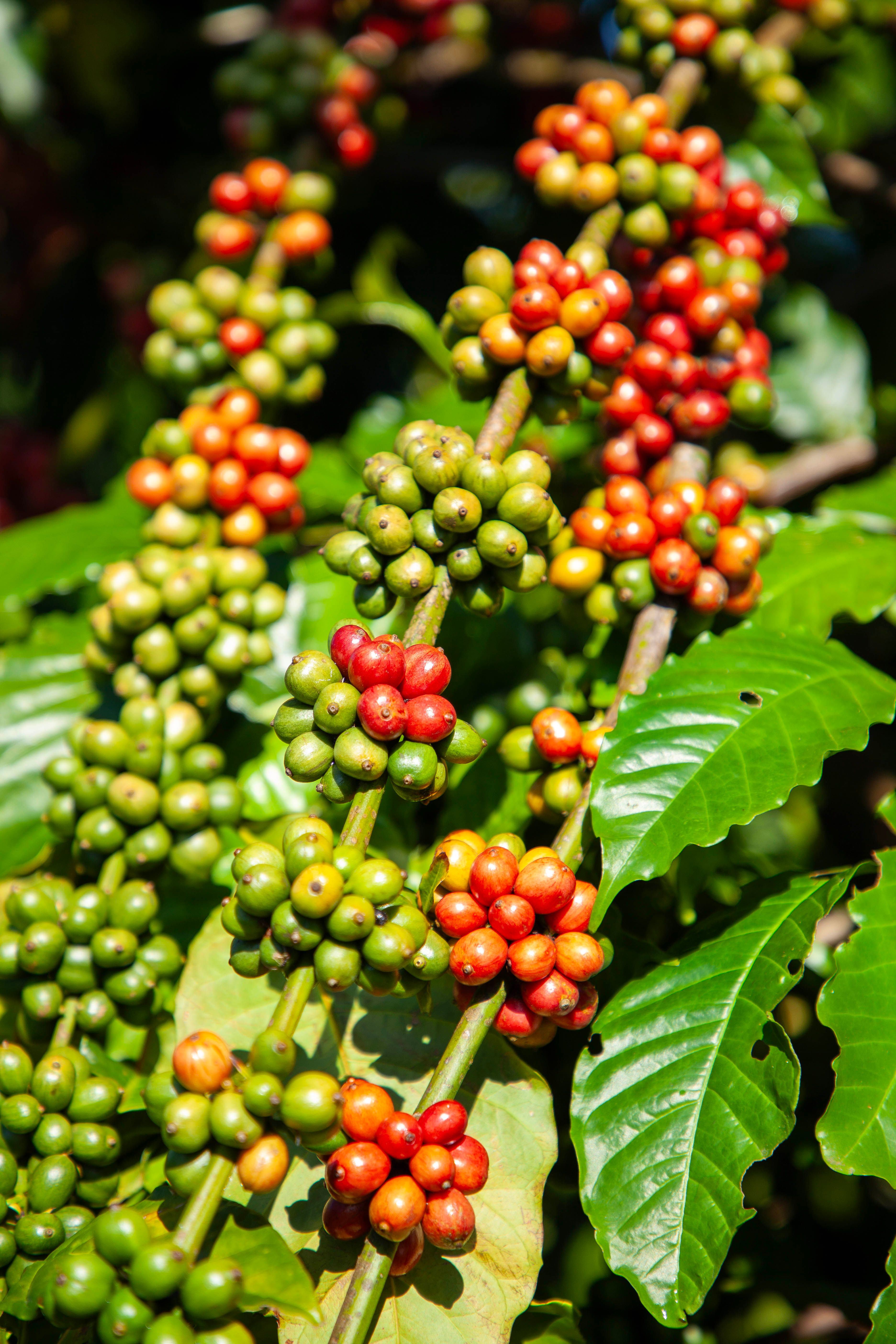
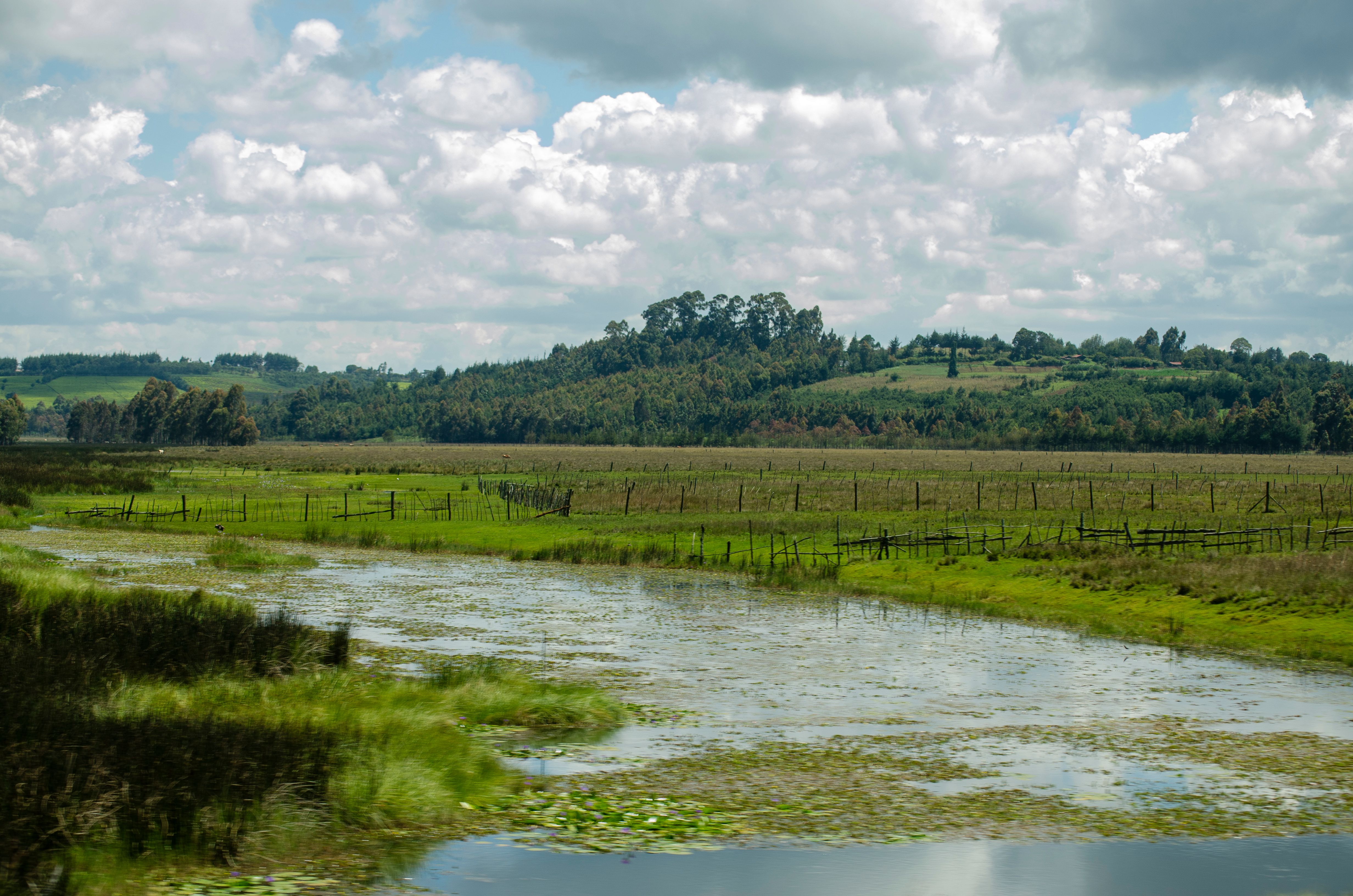
Kiambu sits at the heart of the Nairobi Metropolitan food system, where growing towns, shifting rains and smaller plots shape how families farm. Fruit trees suit that moment beautifully. They bring variety to the household table, widen what a small farm can produce, open the door to future income, and give every farmer a reason to tend them, because the harvest comes home. The day also connects to the AFR100 ambition of bringing 100 million hectares of African land into restoration by 2030, a goal Kenya has joined with a commitment of 5.1 million hectares.
How the day played out
The programme from A Community Systems Hub opened at 9am, with timed sessions from 9:30 to 11:30. Registration came first, with each guest’s name, occupation and contact noted at the desk, which is how the signed register of 84 farmers came to be. From there the morning flowed through two hours of sessions: 25 minutes of registration, 5 of welcome, 10 of introductions, 20 on climate change, 30 on the GTA project and 30 for Kilimora.
How the trees were shared. Trees went to the farmers who came, on a first come, first served basis, which is why the seedling count lines up so neatly with the register.
Kilimora’s report follows the same morning through the eyes of the farmers, in nine moments, from the welcome to the AAA Kenya and Algomay training and the county’s pledge.
- Arrival and registration
- Opening and framing
- Partner remarks
- Technical training
- Farmer dialogue
- Seedling distribution
- Symbolic tree planting
- County support commitment
- Closing and follow up call
Who joined
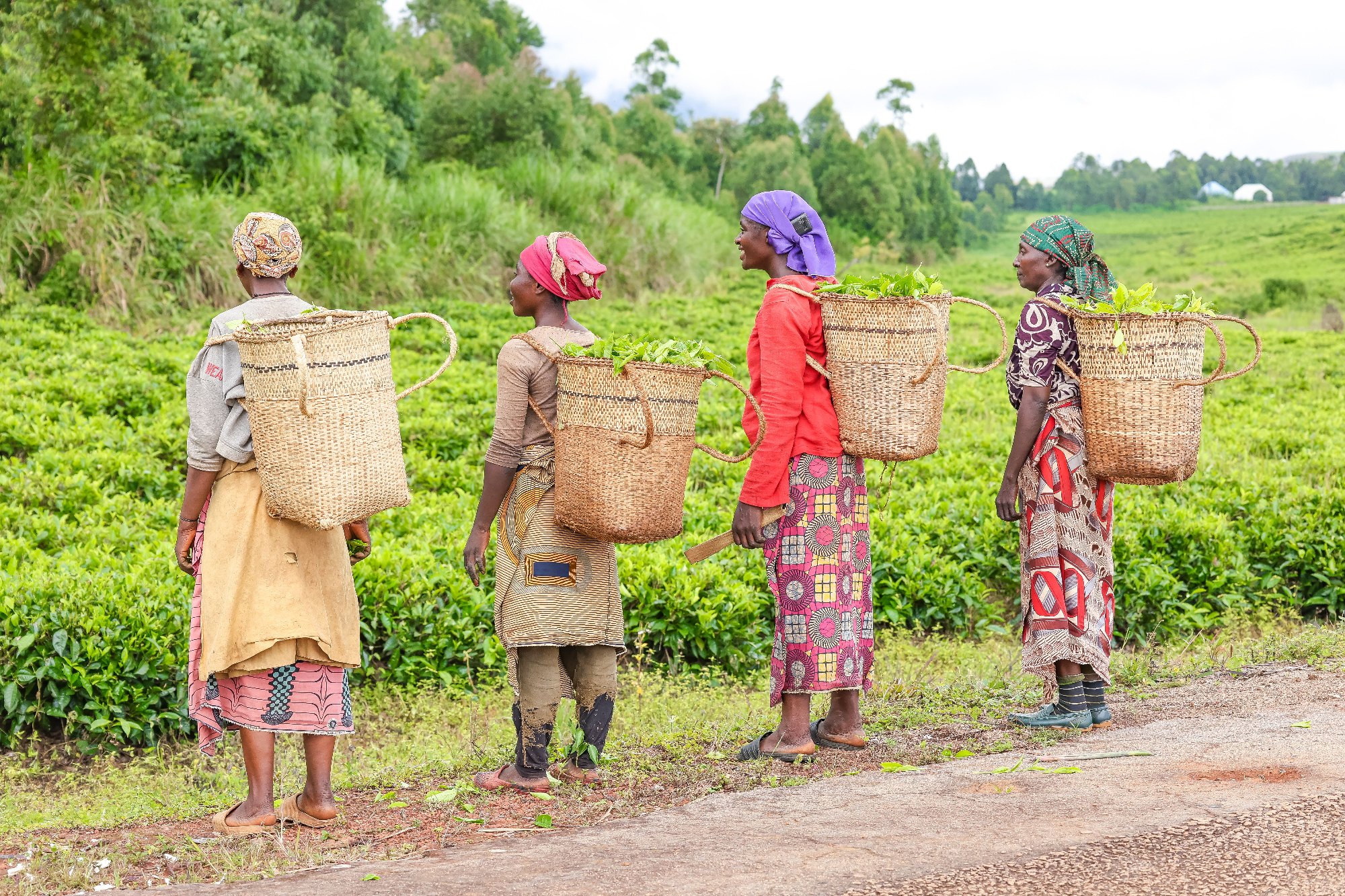
The signed register welcomed 84 participants, mostly smallholders from Muthiga, Kihumo, Kinoo, Kikuyu, Gichecheni, Kabete and Sigona, farming plots from a quarter acre to about one acre. Fruit trees make a real difference on farms of that size.
What each farmer took home
Every registered farmer went home with the same package of ten: one avocado, one guava, one lemon, one lime, one mango, two oranges and three tree tomatoes. A shared package kept the day fair and makes follow up simple.
Choosing the supplier: nearly half the cost
Kilimora compared two quotations for the same 1,000 seedling mix. Algomay Seedlings Farm offered it for KES 114,000, against KES 220,100 from Greencover, a saving of KES 106,100. Algomay also brought hands on know how: Ann Mwangi led practical training alongside the AAA Kenya team. At Algomay’s prices, one farmer’s package of ten comes to about KES 1,120, compared with KES 2,190 at Greencover’s.
Partners, and the AAA Kenya link
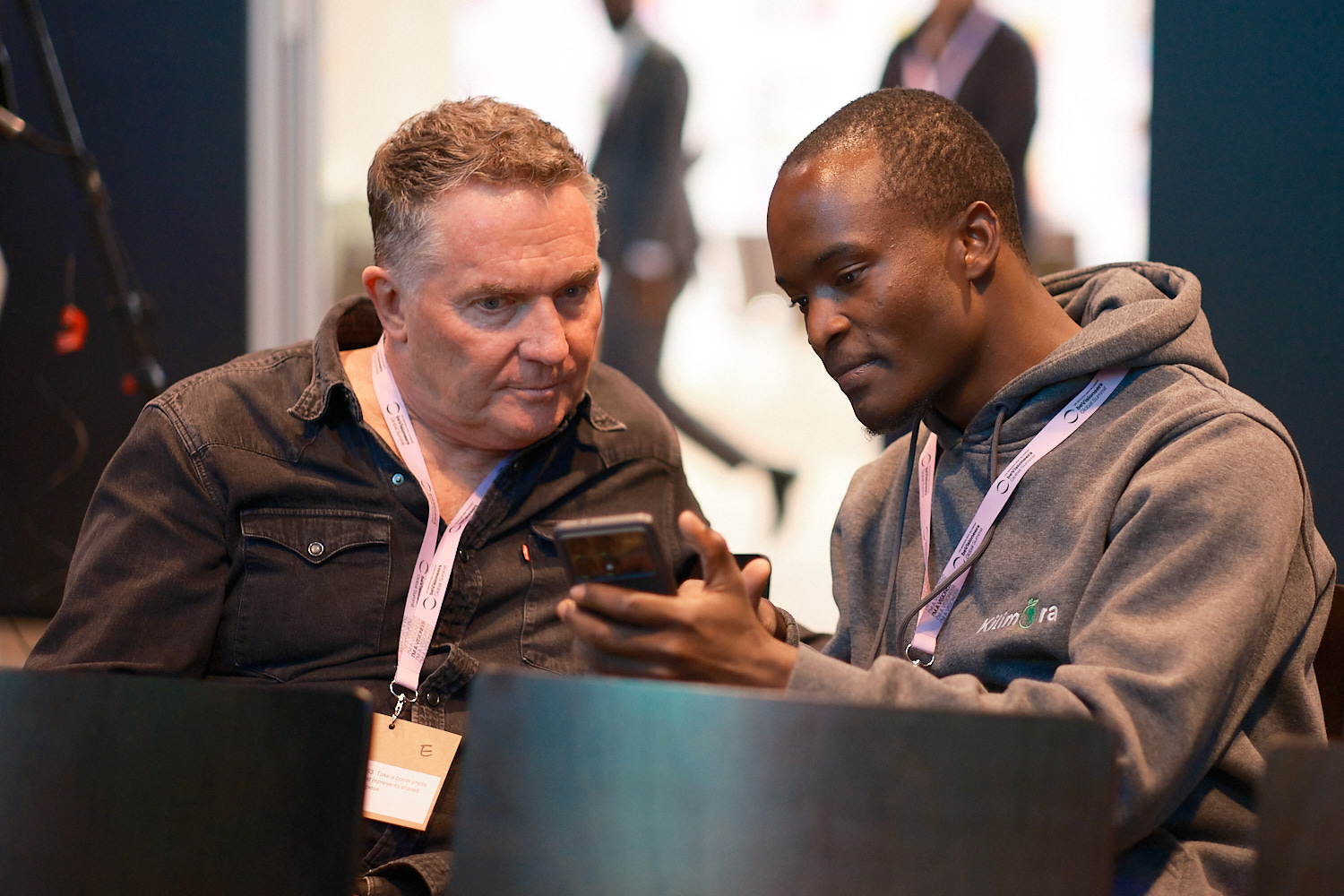
Kilimora led, and the day grew stronger with every partner at the table. Africa Agribusiness Academy (AAA Kenya) joined through the PrAEctiCe Project and rooted the training in agroecology, inviting farmers to see the farm as a living ecosystem where healthy soil, trees and crops, water and local knowledge work together. That gave a tree planting day real technical depth and linked it to agroecology work across East Africa.
A Community Systems Hub hosted the day and brought farmers together through trusted local networks. Scaling Up Nutrition Civil Society Alliance Kenya shaped the nutrition message. Algomay supplied the seedlings and taught establishment. David Kimani Kuria, County Executive Committee Member for Water, Environment, Natural Resources and Climate Change, pledged to match the distribution with more seedlings. Together they covered seedling establishment, agroforestry, nutrition sensitive farming, diversification, environmental care, climate resilience and stewardship.
From planting day to lasting results
A tree planted is a promise, and a tree thriving after the dry season is a result worth celebrating. The plan is to visit farms, score stewardship, and then link committed farmers to future climate resilience and income programmes.
Looking ahead
The report points to what will help these trees flourish: steady aftercare, reliable water, enough seedlings as interest grows, and a well kept farmer database for follow up. Its recommendations lay out a clear path: a survival check within three months, farmer champions for peer learning, water conservation tips in future training, a formal partnership with ACSH CBO and the county, and a joint scale up plan that turns the county’s pledge into target areas and numbers.
SOURCES: A Community Systems Hub, Programme for the Climate Resilience, Nutrition Intervention and Tree Planting Activity, 14 March 2026; Kilimora, Environmental Care and Scaling Up Nutrition Advocacy & Tree Planting Activity report, 14 March 2026; AFR100 pages from WRI and AUDA-NEPAD for the 100 million hectare goal and Kenya’s 5.1 million hectare commitment. Package costs, per species savings and percentage gaps are calculated from the report’s figures.
This work is supported by AUDA-NEPAD in partnership with WRI, and funded by the Swedish International Development Cooperation Agency (Sida), for the AFR100 Initiative.